









.png)






.svg)
.svg)
.svg)







.png)
.png)






.jpg)

%20F%20(1).jpeg)







.webp)






 Login
Login
Market consensus is important for shareholders as they make their investment decisions, based on analysts’ forecasts about your future performance. This helps you understand how the market views your organisation, but it is important to help the investment community make the most accurate possible predictions.
In a 2025 study called “Beyond the street EPS surprise – when ‘other surprises’ matter in explaining earnings announcement returns,” Pawel Bilinski found that a one-standard-deviation “surprise” in revenue links to a 9.1% higher price reaction and a “surprise” in operating profit links to a 5.8% higher reaction.
Rather than creating distance between the company and those forecasting your performance, allowing analysts and brokerage firms access to real-time performance data helps to manage investor expectations. In addition, understanding market consensus is helpful to issuers in understanding investor perception, which allows them to address concerns and improve engagement.
This article explores how to manage market consensus and use it to strengthen your investor relations efforts.
Key takeaways
- Market consensus is the market’s shared expectation for your revenue, profit, earnings and outlook.
- Share prices often move most on the gap versus consensus. A study links large revenue and operating profit surprises to strong price reactions.
- Tracking consensus estimates helps you see how investors interpret your strategy and which financial metrics they use to judge execution.
- Compare consensus with your internal outlook to spot gaps in market expectations early and fix them with clear public explanations.
- Prepare leaders with a simple consensus brief before earnings calls so they can explain variances calmly and credibly.
What is market consensus?
Market consensus is an aggregated average or median of analysts’, research firms’, investment banks’ and investors’ expectations about your company’s future results and outlook. It usually takes into account forecasts for revenue, profit, earnings per share and guidance assumptions.
Analysts’ consensus estimates can guide the market on pricing shares and are used by shareholders to determine whether your performance is strong or weak compared to where the market expects you to be. This can lead to the price moving sharply if the reported results come in significantly above or below expectations.
Why market consensus matters
- Anticipate market reactions to earnings
Consensus estimates set the benchmark investors compare you against on results day. If you know what they expect, you can predict trigger sharp price moves if your actual results look materially different and work to mitigate any impact.
- Understand how the market interprets company performance
The market often reacts to the gap between results and its expectations, not just the headline numbers. Tracking consensus helps you see which metrics investors treat as most important.
- Align internal planning with external expectations
Consensus gives you a reality check on what the market believes you can deliver. Use it to sense-check your budgets and targets to ensure you meet what you know the investment community expects, not what you think they might want. Consider aspects like market volatility and explain how your internal controls will mitigate impacts, for example.
- Prepare management for earnings discussions
When you know the consensus range, you can prepare your leaders with clear answers to challenging questions they may face on earnings calls or other IR communications activities. It helps leaders put results into context without sounding defensive or surprised.
- Strategic value of consensus insights
Consensus trends reveal how confidence moves over time through upgrades and downgrades. That insight helps you spot sentiment shifts early and respond with better engagement. You can use such insights to:
- Support your capital market strategy by better understanding what excites and concerns the investment community.
- Shape corporate messaging and the narrative you express in your IR communications to better target what matters to shareholders.
- Strengthen credibility with investors by showing that you listen to them and consider their input.
Sources of market consensus data
Source | What it is | What it tells you |
Sell-side analyst forecasts | Published earnings estimates from bank analysts covering your company (revenue, net income, EBIT, earnings per share, dividend per share, targets and similar). | The baseline expectations investors often trade against. |
Broker research reports | Input from brokers with the narrative behind numbers, including risks and catalysts. | Why analysts think estimates will move and what investors will ask about. |
Consensus data providers and financial platforms | Aggregate consensus estimates from analysts and estimate histories. This includes platforms like Bloomberg, LSEG/Refinitiv, FactSet and Capital IQ. | The market’s average view plus dispersion and revisions. |
Internal tracking of analyst models | Your own log of each analyst’s model, assumptions and changes over time. | Which assumptions drive estimates and where your guidance may be unclear and open to misinterpretation. |
Earnings call transcripts and Q&A themes | Records of investor and analyst questions, plus themes across peers. | What the market focuses on and the types of concerns investors have in your sector or location. |
How to manage market consensus
Monitor analyst forecasts continuously
Track consensus and estimates from analysts on a weekly basis. Increase this to daily in the run-up to publishing results to help you adjust your messaging and create the best possible impact.
You should look at the range of estimates, as well as the average. A wide range can be concerning to investors as it suggests a level of uncertainty. Consider who is upgrading or downgrading and log any major changes along with the reasons given. Monitoring provides early warning signs when expectations drift to help you prevent destabilising surprises when you announce your results.
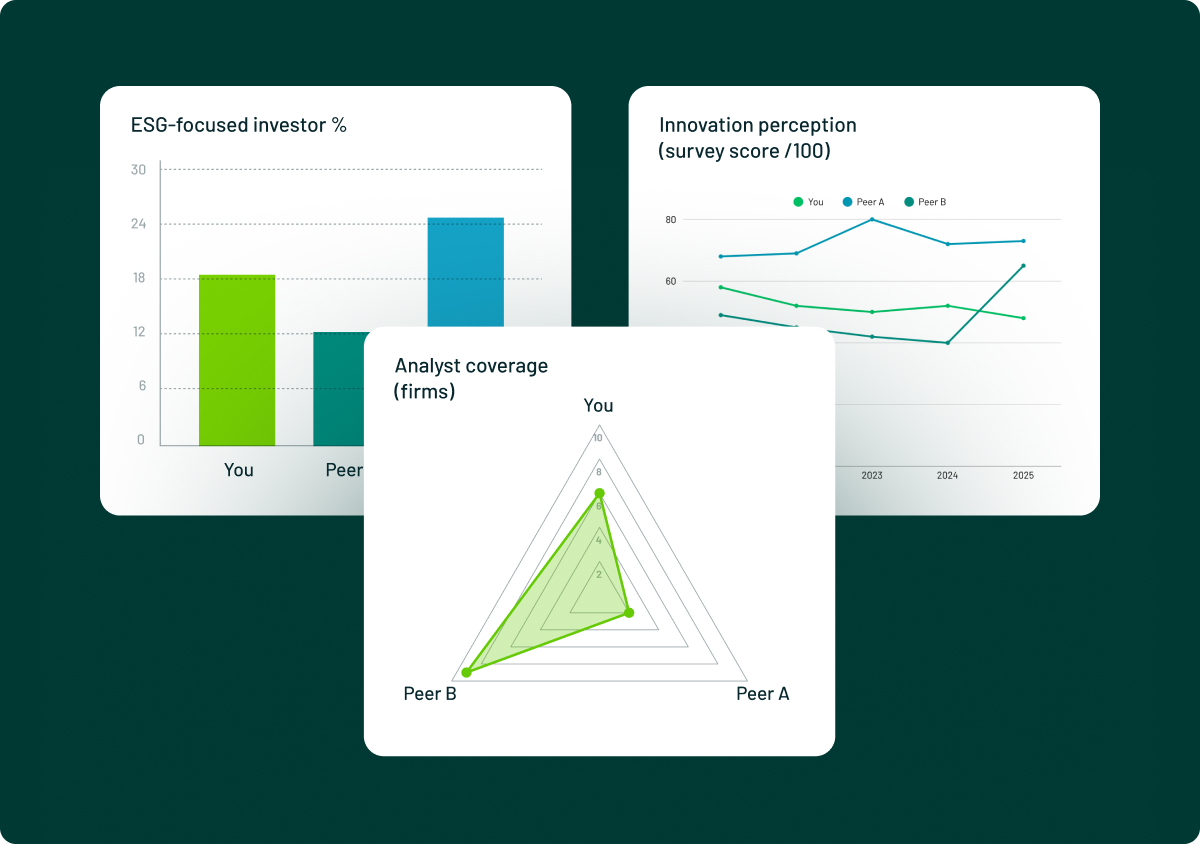
What is the market consensus for your company?Post Listing Advisory from Euronext Corporate Solutions provides a comprehensive perception analysis as part of its offering that tells you how the market views your organisation and improves your preparation for events such as pre-close calls. |
Compare consensus with internal focus
Pick the financial metrics that your investors care most about and set up a simple comparison of what your internal outlook suggests for these areas against the market consensus. If there is a gap, consider what is driving that. You might narrow the difference down to volume, pricing, costs, timing or any other assumptions.
This will help you understand which areas of your messaging need to be explained better or made clearer. You could even create some investor education materials to distribute across the contacts in your investor CRM that will help them understand where the company is really heading and why.
Share insights with leadership
It is important that senior figures like the CEO and CFO understand the consensus before they head into investor meetings or earnings calls. Highlight the market expectations, where there are varying views and the types of questions they might face as a result.
Keep it simple and practical so that they can gain a helpful oversight. Provide three risks and three opportunities, as well as macro factors, such as market volatility and details of any significant variances so that they can explain them clearly.
Provide context without selectively disclosing information
In any discussions with groups of investors, you need to stick to public information to explain performance drivers. If you reveal material, non-public information, it could lead to investors having unequal access to important details, which gives those in the know an unfair advantage in the capital markets.
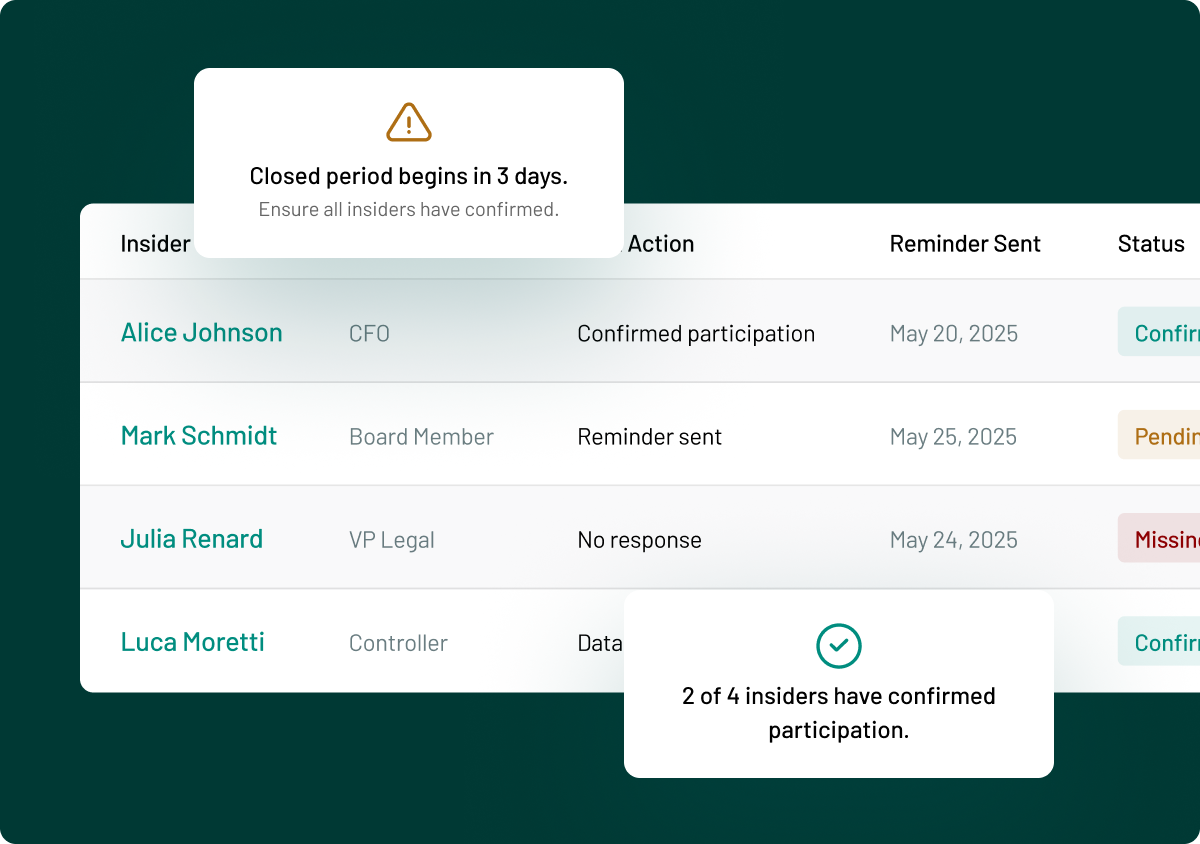
Consider your obligations under the Market Abuse Regulation and your exchange’s own disclosure requirements when approving messaging. If they ask for details you should not disclose, explain why you cannot and guide them with information that is already in the public domain. Ensure you have a process in place to maintain the integrity of inside information, including robust insider lists.
If you need to update the markets about information that varies from the market consensus, you can, for example, issue a formal announcement through EuroStockNews so that all financial market participants have the opportunity to access it at the same time.
Move from passive observation to proactive expectation management
Do not just monitor the consensus drift on your company. Engage shareholders and analysts to help them understand your direction of travel and the rationale behind your decision-making.
Create regular touchpoints with the investment community so you can explain your equity story and long-term model in a fair and transparent manner. Explain the key drivers for success and provide clear, consistent KPIs and progress updates so they can track your journey and set their expectations in line with reality and not their assumptions or best guesses.
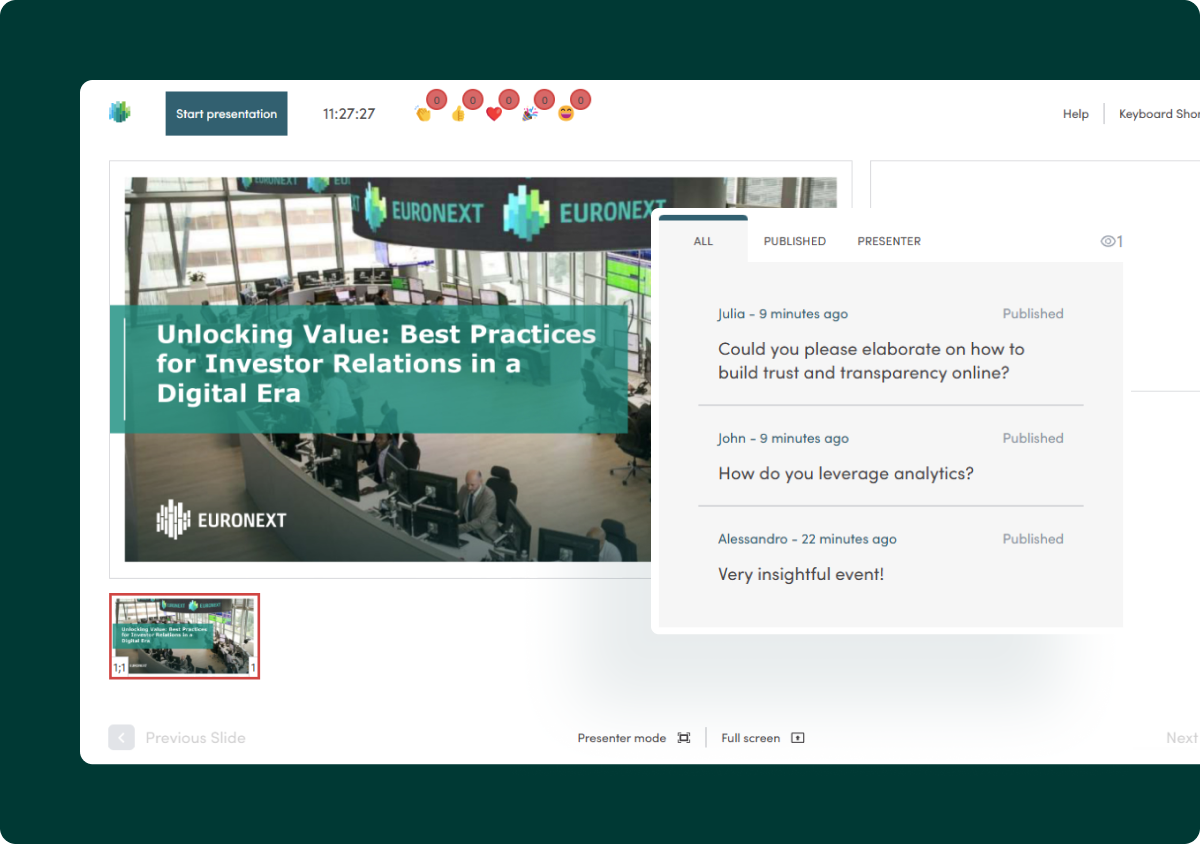
Engage investors with videoEngaging investors and analysts through webinars is an interactive way of reaching as many key stakeholders as possible with your investor relations messaging. EngageStream is built to provide a robust, secure environment full of interactive features that allow for deeper collaboration with attendees. |
Insights companies can gain from consensus
Insight area | What you can learn from consensus | What it tells you | How to use it |
Market perception | How the market interprets company strategy | Whether analysts buy into your plan | Clarify priorities and milestones in your presentations and on your IR site. |
How analysts evaluate performance | Which numbers they treat as proof of execution and which they discount. | Lead with the KPIs they care about and explain the drivers behind them. | |
Expectation signals | Unrealistic assumptions | Where forecasts rely on optimistic volumes, pricing, costs or timing. | Address the assumptions with better disclosure and simple sensitivity ranges. |
Analyst revisions | When and why estimates move after meetings, news or peer results. | Spot changing sentiment early and prepare management talking points. | |
Forecast dispersion | How much analysts disagree with each other. | High dispersion signals confusion or uncertainty, so simplify the narrative and present evidence. | |
Market confidence | Analyst coverage | How much attention you get and how deeply the market follows you. | Plan targeted outreach to key stakeholders to better inform your coverage. |
Direction of estimate revisions | Whether expectations are trending up or down over time. | Use trend shifts as an early warning sign and adjust messaging before you present your results. |
Common mistakes companies make with consensus
- Ignoring analyst consensus estimates until earnings season, when it is too late to manage expectations and you risk share price volatility as investors hear news for which they are not prepared.
- Overreacting to short-term changes in earnings estimates by adjusting a strategy that could have weathered a small shock and would have served the company effectively. Lurching between different directions can cause uncertainty, so ensure that you only make adjustments when you are sure consensus is drifting from reality and will only continue to do so.
- Providing unclear or inconsistent guidance to the markets. You need to show control and clarity in your messaging and the investment community thrives on transparency. Where there is doubt, you can lose investor confidence.
How LiveEquity helps
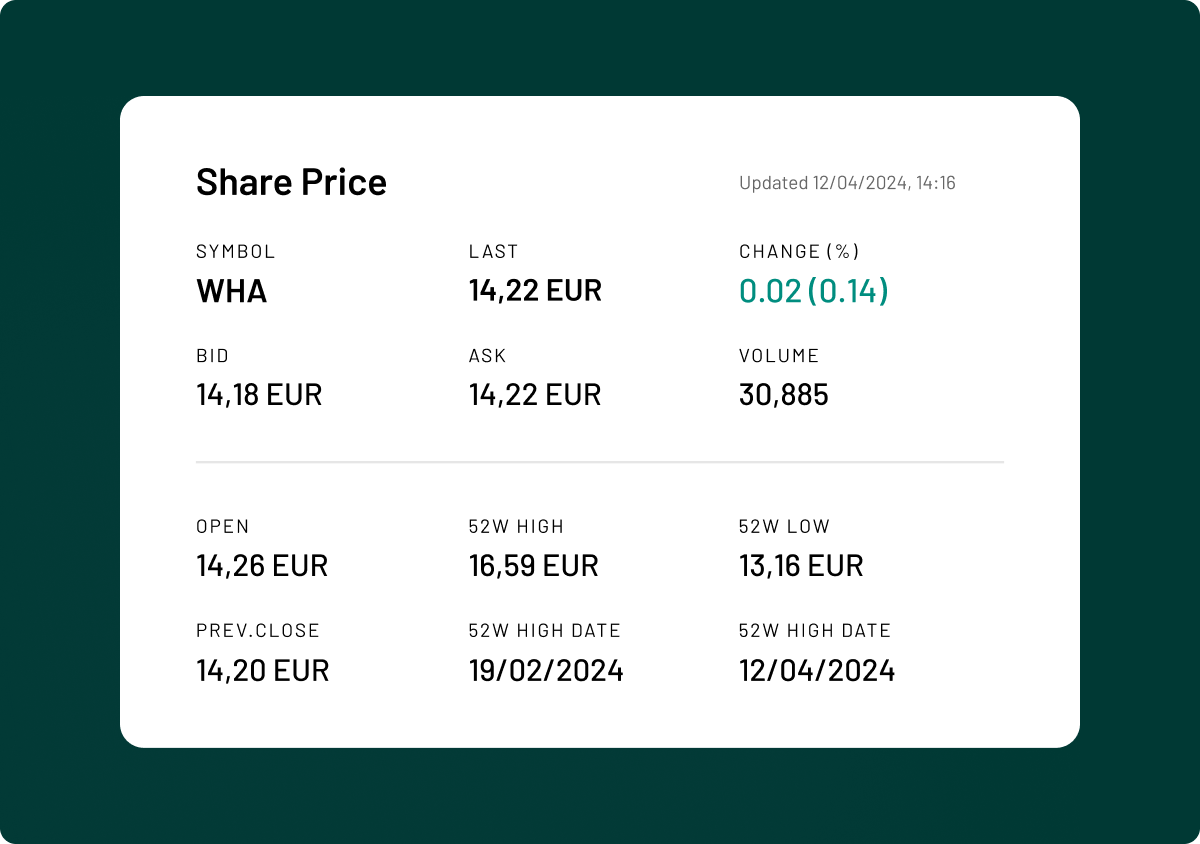
LiveEquity from Euronext Corporate Solutions embeds a live share price tracker in your site through which investors can access more than 200 live data points that provide insight on your direction of travel. Become the trusted news source on your company, offering immediate access to press releases and financial disclosures, all customised in your brand identity.
Clarity and transparency are key to managing market consensus estimates and helping analysts and investors gain an accurate and realistic understanding of where you are going and the progress you are making against the KPIs that they use to inform their decisions. Monitor consensus proactively and get ahead of any reports that stray too far from your internal expectations. In addition, you can help the market gain a better understanding of your performance by sharing financial performance data on your IR website.
FAQ
Earnings calls and other investor meetings shape analyst assumptions by clarifying performance drivers, risks and management priorities, which can lead to forecast revisions. They also reveal what the market is most focused on, helping you anticipate where consensus may move next.
Mandatory disclosures provide the baseline facts analysts must use, such as results and regulated announcements. Voluntary disclosures, like KPIs, earnings per share, guidance and strategy updates, add context that improves the accuracy of their models and reduces guesswork.
Investor relations typically owns consensus monitoring, with finance providing the internal forecast comparison and legal or compliance advising on what can be shared and when.
References and further reading
Related Articles
See all postsGEO for Investor Relations: what AI tells investors about your company
06-08-26
10 Ways AI Is Transforming Investor Relations
11-06-26
Organising IR Events that Drive Engagement
09-06-26
Investor Relations Portal & Software: What Listed Companies Need in 2026
09-06-26
IR Communication Best Practices for Listed Companies
09-06-26