









.png)







.svg)
.svg)
.svg)








.png)
.png)







.jpg)

%20F%20(1).jpeg)







.webp)






 Login
Login
Although the plain numbers do play a role in informing shareholders’ investment decisions, there is much more to it than that. Whether it is geopolitical concerns, economic indicators or their perception of an individual issuer’s resilience, investor confidence also informs the movements that shareholders make.
Whilst, as an issuer, you cannot affect macroeconomic factors directly, you can still build investor confidence by clearly communicating how your company is positioned to mitigate shocks and turn them into opportunities, even in challenging conditions.
PwC found that:
- 55% of investors said the companies they are invested in are extremely or highly exposed to cyber risk.
- At the same time, 92% want these issuers to increase their capital allocation towards technological transformation.
Rather than merely preventing ever-increasing cyber attacks, they want to know that companies are resilient and resourceful enough to turn risks into innovations.
Understanding the concerns and goals of your investors helps you plan a communications strategy that speaks to them and instils them with confidence in your organisation. This article explores what influences shareholder confidence and how to communicate with the investment community to build lasting investor trust.
Key takeaways
- Investor confidence is shaped by psychology as well as performance, so clarity, consistency and timing in communication can strongly influence how shareholders react.
- External pressures like interest rates, inflation, policy changes and market volatility matter, but internal factors, such as strategic clarity, leadership credibility and communication quality, are just as important.
- Accurate reporting, timely disclosure and realistic guidance help reduce uncertainty and build trust by showing that the company is transparent, fair and credible.
- Strong compliance controls and clear explanations of how the business manages regulatory and governance risks reassure investors that their interests are being protected.
- In both stable periods and crises, regular, joined-up communication across earnings calls, roadshows, Capital Markets Days and international disclosures is essential for maintaining investor confidence.
The psychology behind investor confidence
There is no ‘one size fits all’ approach to investment, but you can certainly spot trends that help you understand the psychology behind investor confidence. One common way of categorising investors is to divide them into emotional and rational decision makers.
In general:
- Rational decision makers tend to be institutional investors whose business relies on them earning tangible returns for their fund clients. Their confidence in issuers comes from analysing your long-term strategy to see how they anticipate challenges and are placed to pivot to not only manage the challenges but to build and add value as a result.
- Emotional decision makers are often retail investors or might be seed investors, angel investors and high net worth individuals, investing their own money. They could become your most robust supporters because they are emotionally connected to what you do, but they could also be swayed by fear or greed: divesting as soon as the share price drops or the market stumbles, or overstretching in the good times.
Other factors that shape investor confidence include:
- Cognitive biases – the mental shortcuts investors use to make decisions quickly, which can lead them to overreact to recent news, favour information that confirms what they already believe or place too much weight on first impressions.
- Herd behaviour – the tendency to follow the actions of other investors, especially in uncertain markets, which can cause confidence or anxiety to spread rapidly even before all the evidence is in.
- Market sentiment – the overall mood or tone of the market at a given time, shaped by news and emotion as much as fundamentals.
Together, these psychological forces influence how investors interpret company communication, meaning clarity, consistency and timing can play a major role in building or damaging confidence.
Factors influencing investor confidence
There are many factors that inform investor confidence. Here are some of them:
Factor | How it influences investor confidence |
Rates and inflation pressure | Higher interest rates can make borrowing more expensive and reduce growth expectations, while persistent inflation can squeeze margins and make future earnings harder to predict. |
Economic momentum | Strong employment and stable economic data often signal resilience and spending power, while weaker indicators can increase concerns about slowdown or recession. |
Policy direction from governments and central banks | Investors watch fiscal decisions and central bank signals closely because they shape the outlook for growth, taxation, regulation and funding costs. |
Volatility levels and perceived risk | When markets are swinging sharply, investors often become more cautious, demanding greater certainty. Clear messaging is essential to calm shareholder nerves. |
Capital availability | Confidence tends to improve when issuers can access funding easily. Tighter liquidity can raise fears about refinancing and resilience. |
Financial performance | Consistent revenue growth, healthy margins and reliable cash flow give investors evidence that the business is being managed well. |
Strategic clarity | Investors are more confident when leadership can explain where the business is going, why that direction makes sense and how exactly it will measure success. |
Leadership credibility | A management team that communicates clearly, meets its promises and handles pressure well is more likely to win long-term trust. |
Governance quality | Strong corporate governance, oversight and clear accountability reduce the perceived risk of poor decision-making or unpleasant surprises. |
Operational execution | Confidence rises when a company delivers products and major projects effectively, especially when performance matches what management previously forecast. |
Balance sheet strength | Lower debt pressure, good liquidity and sensible capital allocation reassure investors that the company can withstand setbacks and invest for growth. |
Communication quality | Clear, timely and consistent updates help investors understand performance and outlook, which reduces uncertainty and grows confidence. |
How to build and maintain investor confidence with clear communication
Publish accurate and consistent financial results
Transparency and honesty are key drivers of investor confidence. If the community feels that you are hiding something, spinning results or simply not reporting accurately, shareholders will struggle to trust what they hear and that gives them concerns going forwards.
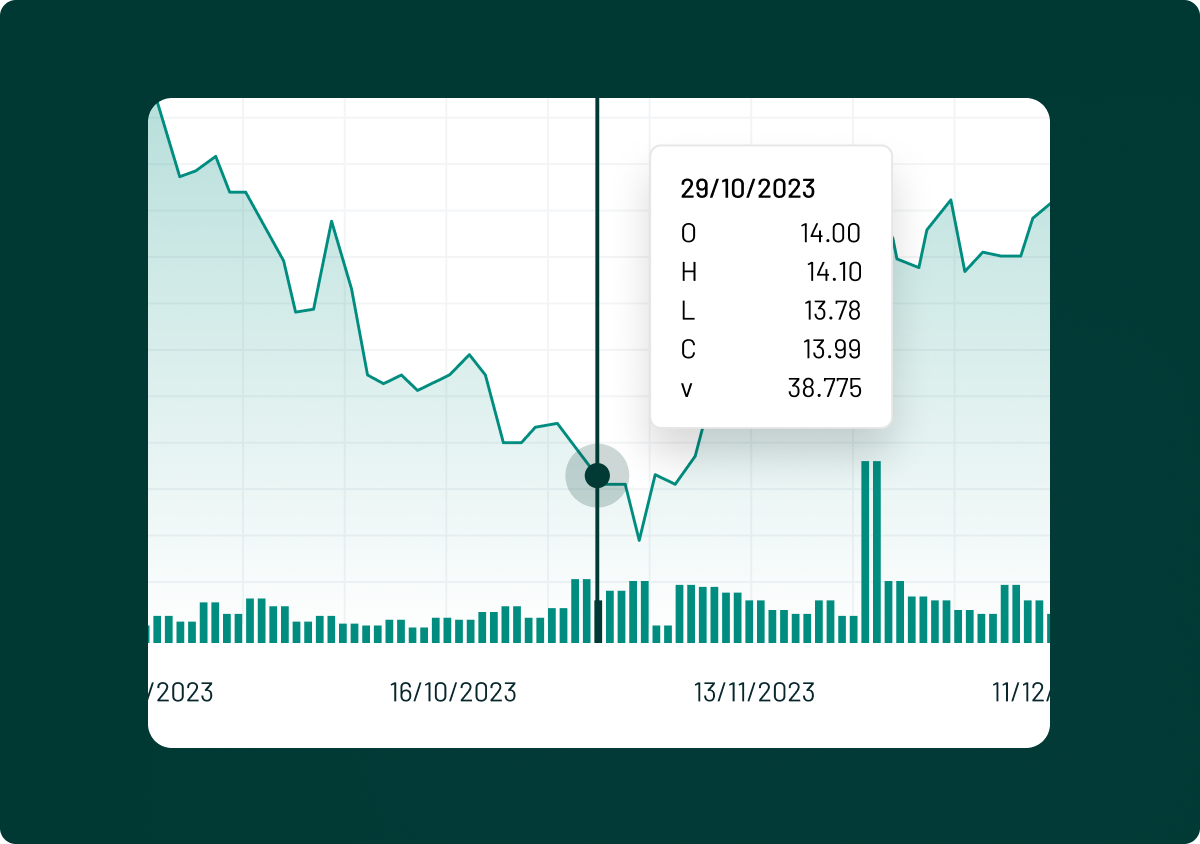
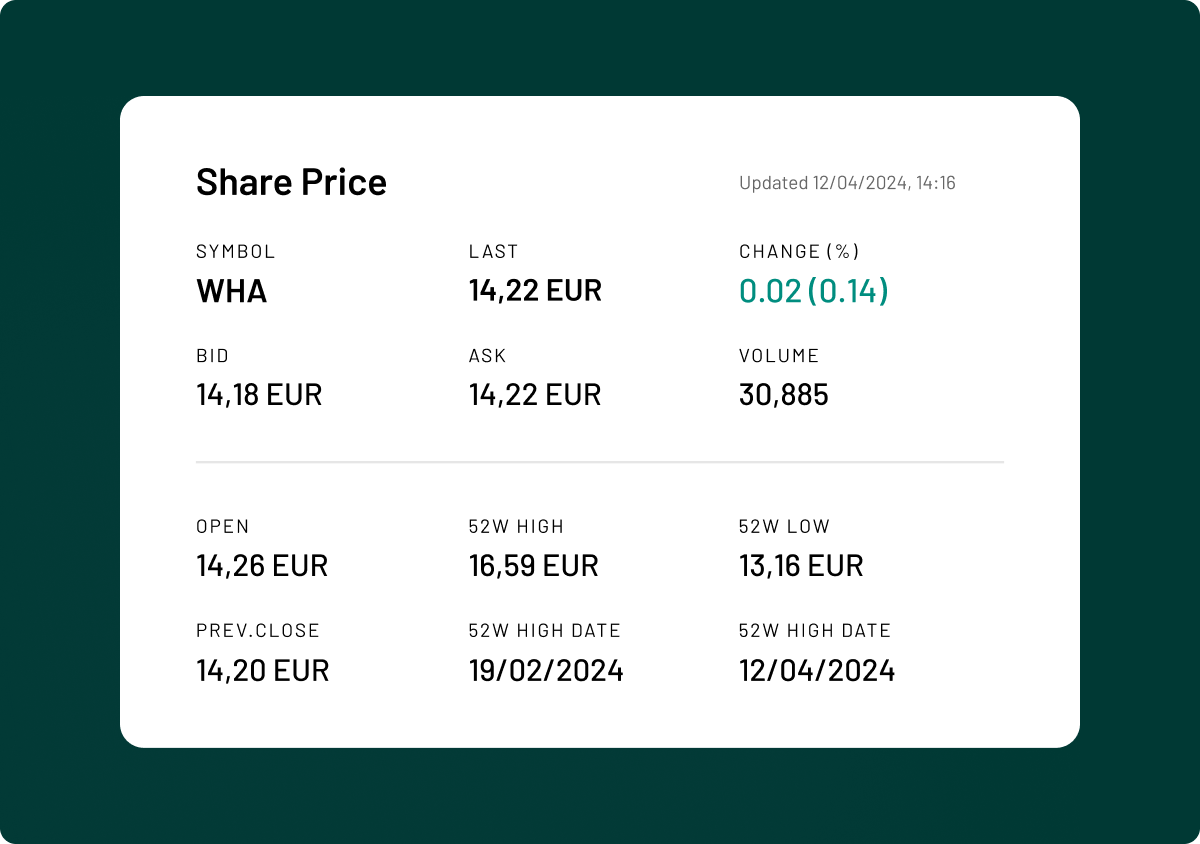
As well as hosting accessible and comprehensive earnings calls where you present your audited financial results for the quarter or year, you can embed a live financial information tracker into your IR website that allows investors to discover your current and historic share price as well as real-time financial performance data whenever they want.
Essential solutions
|
Disclose material information without delay
If investors feel like they are kept in the loop with all important activity from the organisation, they can trust that they are as well informed as possible when considering their investment.
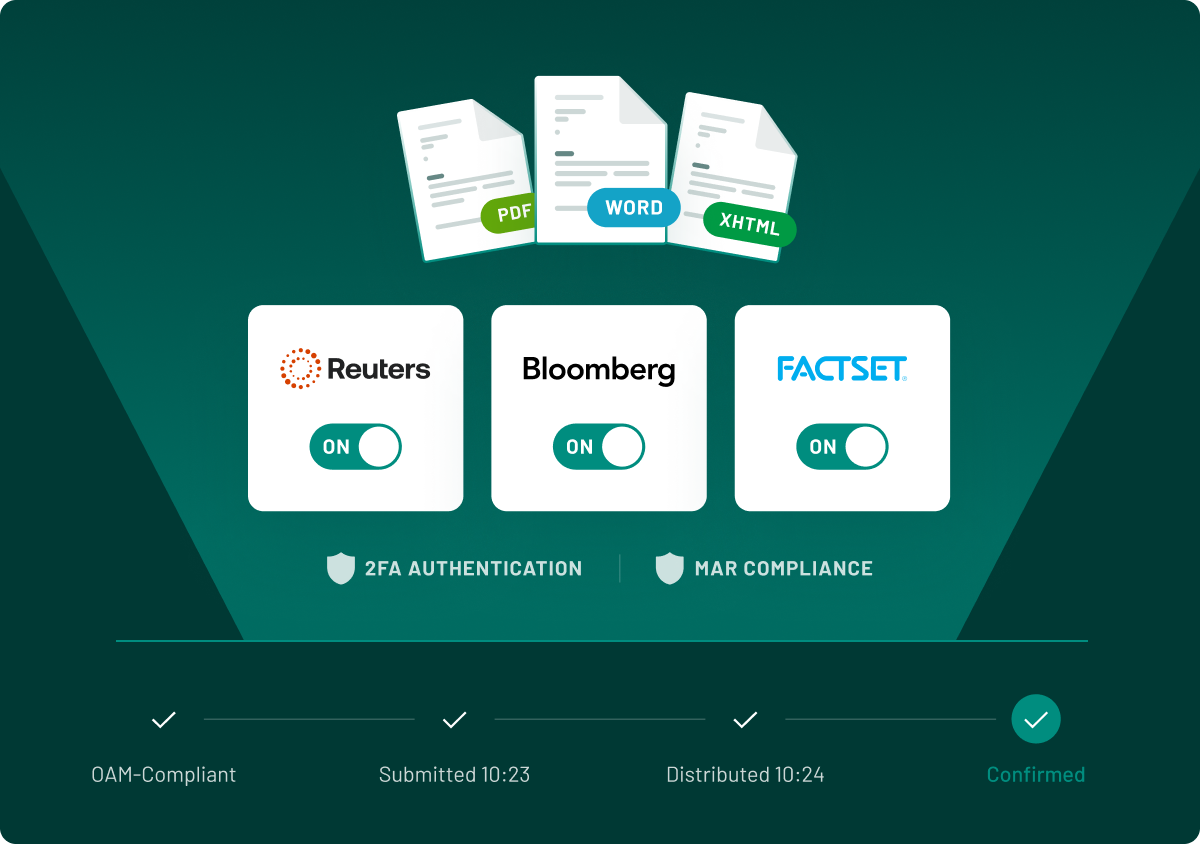
By making timely disclosures to the markets and regulators, you show that you take fairness and market integrity seriously. This reduces the risk of speculation and helps ensure you meet your obligation to provide equal access to material information.
Essential solution
|
Provide realistic guidance and outlooks
Don’t overpromise with your guidance to the markets. You may experience an initial bounce, but if you fail to deliver on market expectations, it can alienate some investors and make it difficult for them to trust your communications in the future. Make sure you are ambitious enough to show confidence in your direction of travel, but also grounded enough to be credible.
Investors value leadership teams that explain their assumptions clearly and avoid painting an unrealistically optimistic picture. They are also not scared by bad news, as long as you can contextualise it and demonstrate a realistic route map to turn it around.
Essential solution
|
Apply robust investor protection and compliance controls
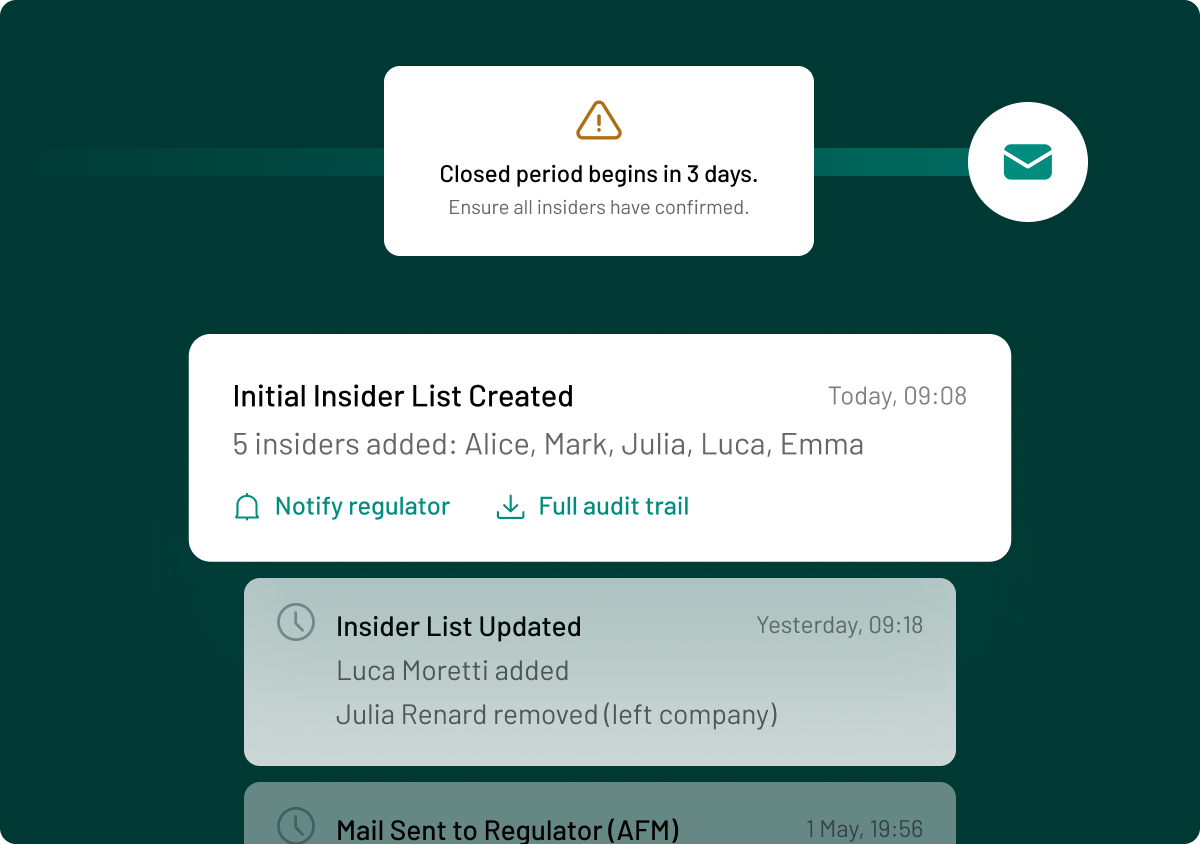
Demonstrating that you have strong compliance controls reassures investors that you are alert to regulatory risks and proactively working to prevent or mitigate them. Explain in your meetings how you will protect their investment by helping the company avoid issues such as insider trading and the unlawful disclosure of inside information.
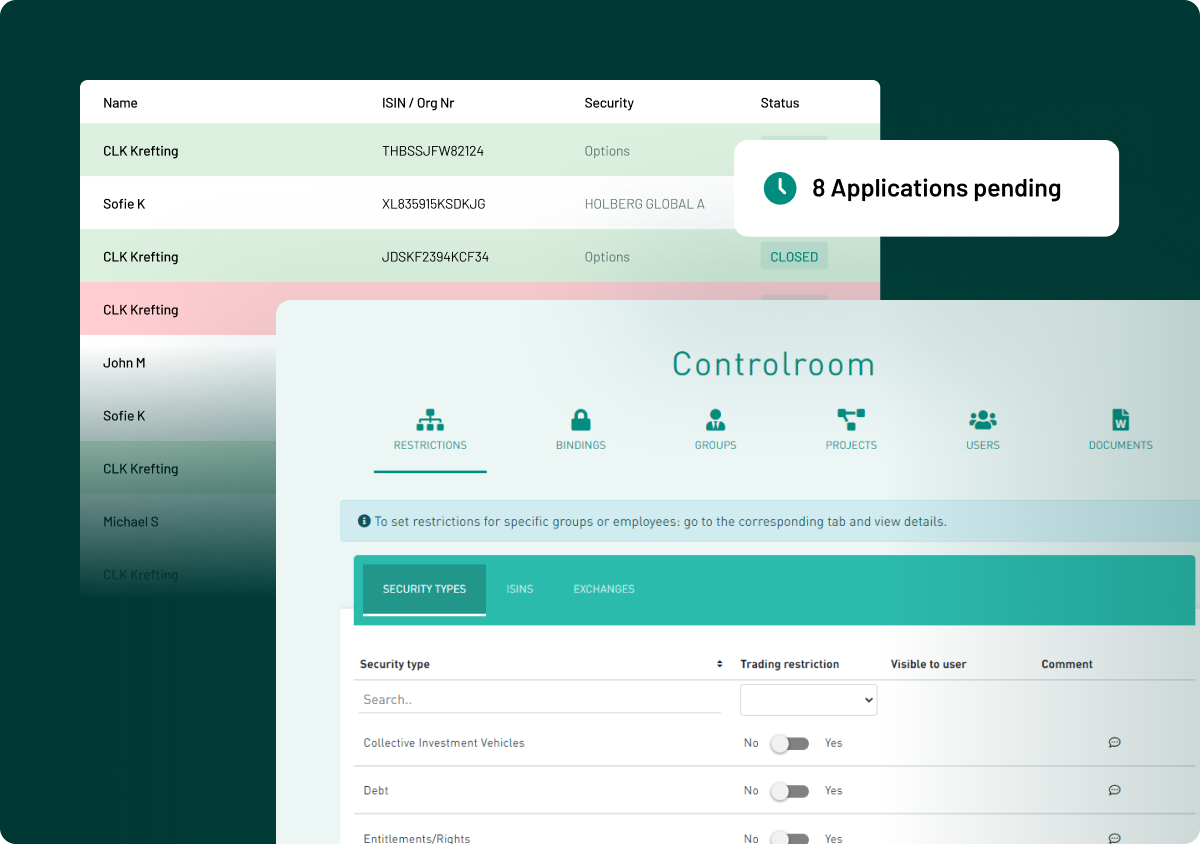
Share your whistleblowing strategy and processes for tracking and monitoring managers’ personal trading so that you meet your obligations under EU laws, such as the Market Abuse Regulation (MAR).
Essential solution
|
Communicate clearly and consistently with investors
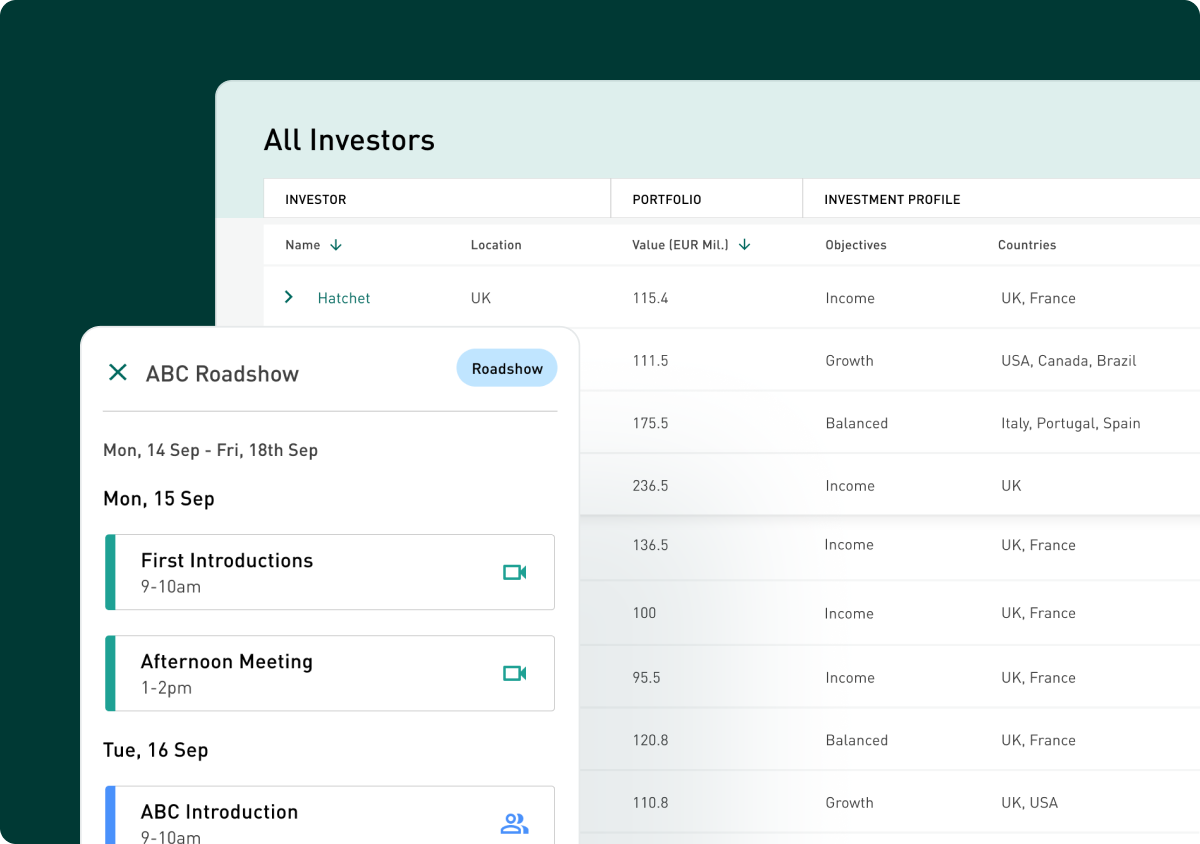
Building regular touchpoints into your IR calendar keeps investors engaged with the organisation. It is no good ignoring them for much of the year and only reaching out ahead of the AGM to head off any potential activism. Where a company maintains a steady rhythm of outreach across multiple communication channels, it displays transparency and builds trust and confidence.
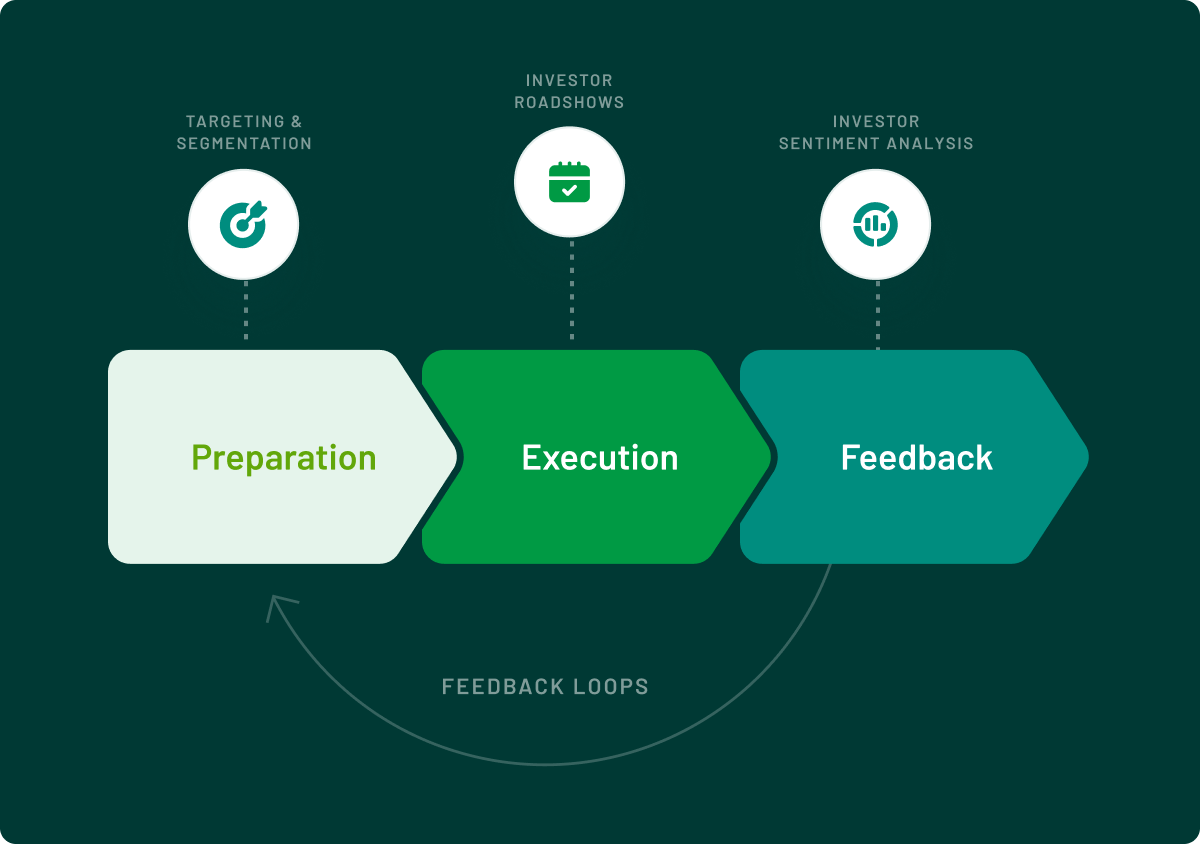
Communicate your core messaging across earnings calls, Capital Markets Days, investor roadshows and other IR events. Sharing thought leadership content alongside these touchpoints helps shareholders understand your mission and strategy, track your progress and build trust that you see them as a valuable partner in the capital markets journey.
Essential solutions
|
Respond quickly and transparently in times of crisis
Staying silent or being vague in times of uncertainty or crisis can impact investor confidence negatively and reduce trust in the ability of your leadership to manage such situations. Investors want to hear prompt updates that make them feel as though you have acknowledged the issue and are proactively working on a solution.
Where there is a lack of communication in crisis situations, rumours can spread that are damaging to the company about the nature of the issue. Even if you can’t give full details, give a sense of what you are doing to fix the problem and a strict timeline for further updates, if not a resolution.
Essential solution
|
Provide well-aligned and transparent disclosures tailored to international investors
International investors may need extra context around local market conditions, regulation or reporting conventions. Transparent disclosures that take these differences into account make the business easier to understand and more accessible to a wider investor base.
But you must also ensure your messaging is consistent. When regional teams communicate different messages, investors may question whether the company is truly aligned. A joined-up approach helps maintain credibility and ensures the market receives one coherent story, wherever the audience is.
Essential solution
|
How EngageStream helps
EngageStream can play a key role in your communications strategy. It provides a white-glove service to organise broadcast-standard webinars and webcasts, helping you concentrate on getting the messaging right and engaging your audience. Request a demo today.
Investor confidence is not always rational, but it does impact how they act in relation to your financial instruments. The key is to create strong relationships with your investors, maintaining open, honest and regular communications so that you can contextualise events like results and crises. By building these bonds, based on trust, you can mitigate challenges, whether investors are diversifying investments across sectors or concentrating their portfolio, and show your vision for future success.
FAQ
Investor confidence rises and falls as people react to new information, changing expectations and shifts in market mood. Company performance, economic data, policy signals and clear or unclear communication can all alter how secure investors feel.
Strong investor confidence can become a risk when it turns into overconfidence and investors underestimate threats or ignore warning signs.
Investor confidence can recover if the company responds quickly, communicates clearly and shows credible evidence that it is addressing the problem. Recovery usually depends on transparency, consistent delivery of messaging and time.
References and further reading
Related Articles
See all postsGEO for Investor Relations: what AI tells investors about your company
06-08-26
10 Ways AI Is Transforming Investor Relations
11-06-26
Organising IR Events that Drive Engagement
09-06-26
Investor Relations Portal & Software: What Listed Companies Need in 2026
09-06-26
IR Communication Best Practices for Listed Companies
09-06-26