










.png)






.svg)
.svg)
.svg)







.png)
.png)







.jpg)

%20F%20(1).jpeg)







.webp)






 Login
Login
divestment in business
What Is Divestment in Business?
Divestment in business is when a company sells, spins off or otherwise disposes of a subsidiary, business unit, asset or shareholding. Companies use divestment as a strategic move for a range of different aims. For example, it could be to focus on core operations, improve financial performance or reduce risk.
Sometimes divestment in business is driven by a negative issue that has impacted the company, but it also often reflects a proactive decision to reshape the business and create long-term value.
What does divestment in business involve?
In simple terms, divestment removes assets or operations that no longer align with a company’s strategy. It allows leadership teams to redirect capital, management attention and resources to higher-growth or more profitable areas.
Common divestment actions include:
- Selling a subsidiary or division to another company
- Spinning off part of the business into a new, independent company
- Selling specific assets such as property, brands or intellectual property
- Reducing ownership by selling shares in a business.
Why companies choose to divest
Organisations divest for many strategic reasons, often linked to performance, focus and future growth.
Some of the most common drivers include:
- Sharpening strategic focus by concentrating on core products, services or markets
- Improving financial health by raising capital or reducing debt
- Reducing risk exposure in volatile or non-core sectors
- Meeting regulatory requirements where authorities require asset sales
- Funding growth initiatives or acquisitions in priority areas.
By removing underperforming or non-strategic assets, companies can operate more efficiently and increase shareholder value.
The divestment process: a high-level view
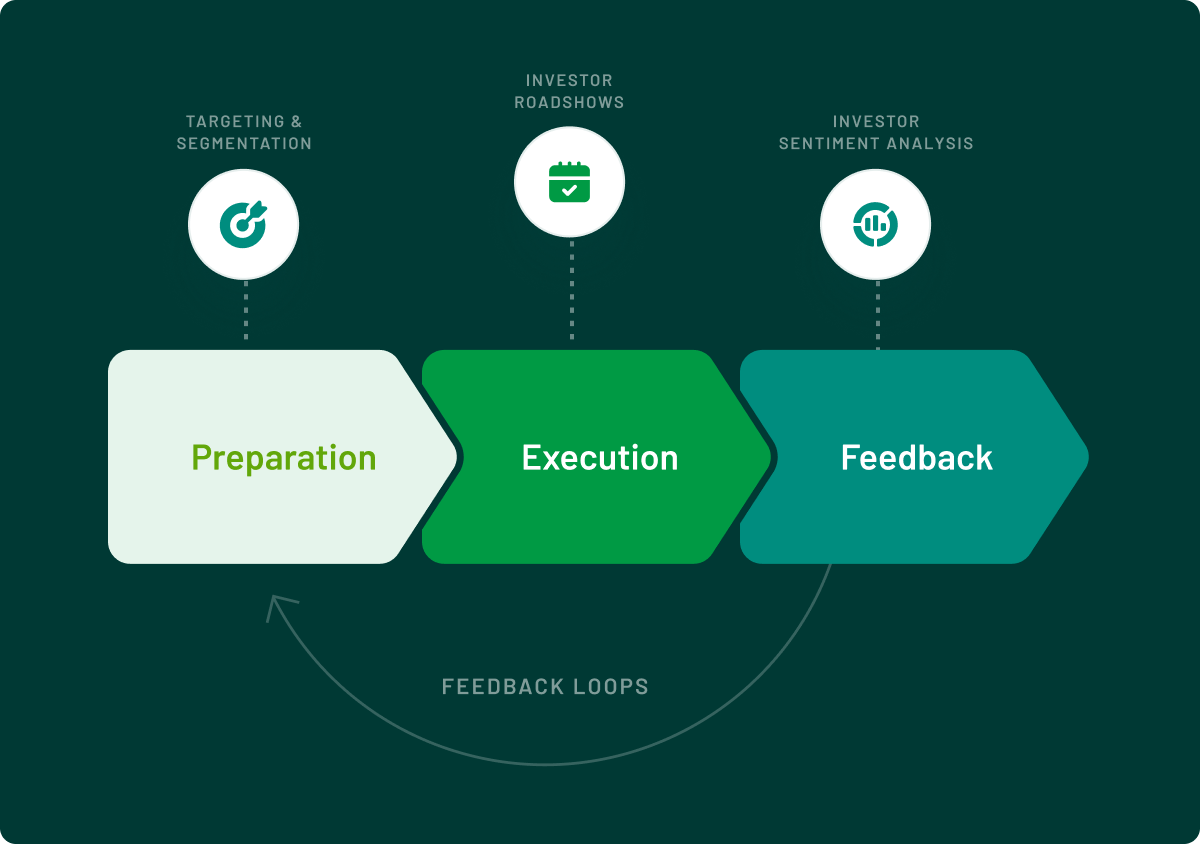
Divestment follows a structured process similar to other major corporate transactions. It typically includes:
Key stakeholders involved in divestment
Several groups play important roles in ensuring a successful outcome:
- Board of directors and executives who set strategy and approve the transaction
- Advisors and investment bankers who manage valuations, buyer outreach and negotiations
- Legal and financial teams who prepare documentation and manage risk
- Buyers and investors who assess the opportunity and complete due diligence
- Regulators where approvals are required.
How due diligence supports divestment in business
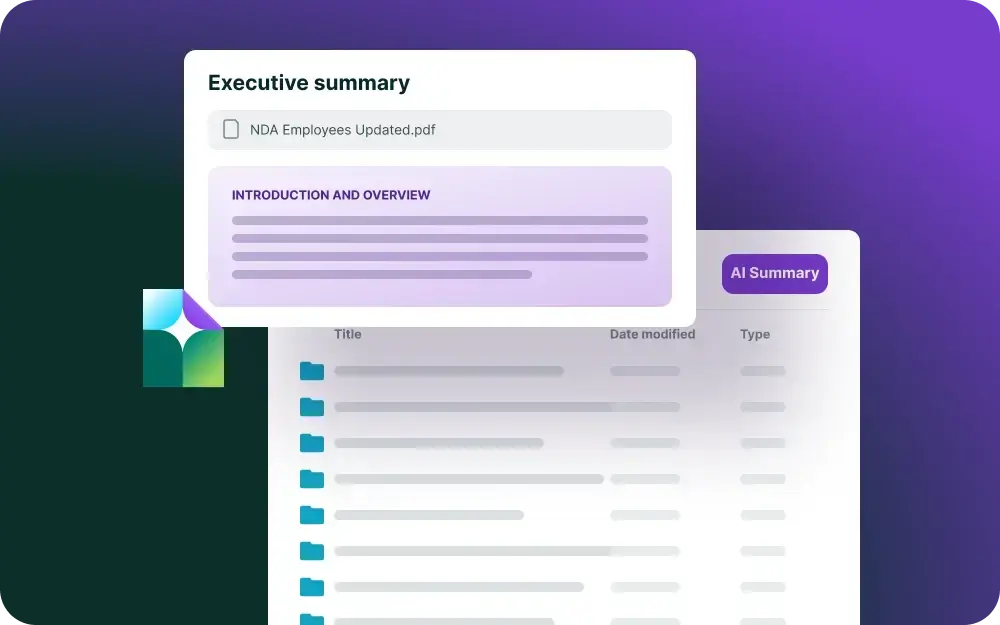
Due diligence plays a central role in successful divestment. From the seller’s side, it involves preparing accurate, complete and well-organised information to present the business clearly. This builds buyer confidence and helps achieve a stronger valuation. From the buyer’s side, it helps confirm the financial performance of the unit, uncover any potential risks and assess whether it will provide a strategic fit.
Strong due diligence:
- Speeds up transactions
- Reduces disputes
- Improves pricing outcomes
- Identifies potential liabilities early.
Related terms
View all termsDefinition of Insider Trading
Insider trading is when a person in possession of confidential information uses ...
Market Abuse Regulation (MAR) Outlined
The Market Abuse Regulation (MAR) came into effect in 2016 to ensure a uniform ...
Definition of Market Manipulation
Market manipulation, a form of market abuse, is the illegal act of artificially ...