









.png)




.svg)
.svg)
.svg)







.png)
.png)






.jpg)

%20F%20(1).jpeg)







.webp)






 Login
Login
A board meeting brings together the company’s board of directors to discuss and make decisions on topics related to corporate governance matters. The aim is to create an environment that has the best interests of the company at its heart and allows the board to take accountability for its decisions and actions.
The board carries out its work by undertaking a range of board meeting best practices that make the most of the time its members have to spend together. With a number of busy executives and a mix of external independent non-executive directors, the board must ensure they make every gathering an effective board meeting that results in solid actions.
The board’s duties within a board meeting include matters relating to:
- Rules and procedures for the effective running of the organisation
- Risk management relating to potentially damaging matters to which the organisation could be exposed
- Strategic oversight that keeps the organisation’s activities aligned with its stated goals
- Financial oversight to maintain healthy and accurately reported economic health
- Accountability for the decisions made regarding performance, risk and ethics
- Shareholder engagement that keeps investors informed about how the company will provide value to them.
This article explores the types of board meetings and who is involved, as well as featuring a playbook on how to hold a board meeting that makes the most of the talent around the table.
- Focus the board meeting agenda and meeting materials on decisions and strategy so the board members use their time well.
- Confirm quorum, declare conflicts, record minutes and document actions to keep decisions auditable.
- Use consent agendas and committee reports to streamline discussion and drive outcomes.
- Assign owners and deadlines to every action so decisions turn into results.
- Review meeting effectiveness after each session and run an annual evaluation with periodic external reviews.
- Use secure board software to centralise packs, minutes, approvals and audit trails for stronger oversight.
Types of board meetings
There are a number of different types of meetings that involve the company’s board of directors. This table provides a guide to them.
| Type of meeting | Explanation |
|---|---|
| Regular board meeting | Held at predetermined intervals across the year, the aim is to review performance, risk and strategy, making decisions on the most pertinent matters of the day. Decisions are translated into actions that directors work on away from the boardroom, providing updates at future board meetings. |
| Special and emergency meetings | Called at short notice to handle urgent issues, such as a crisis, a major transaction or a compliance matter. Fewer topics and decisions than a regular board meeting. |
| Committee meetings | Smaller groups of board directors meet to dive deeper into specific areas, such as the audit, risk and remuneration committees. Attendees prepare reports to bring to the regular board meeting. |
| Annual general meeting | Formal meeting of shareholders, where directors present the annual report and discuss key matters, answering questions and reports on the company’s performance. Investors vote on proposals, such as those regarding electing board members or director remuneration. |

Roles and responsibilities in a board meeting
- Chair: Sets the agenda, ensures members adhere to the meeting procedures and the debate is balanced. Keeps the discussion to time and ensures the board makes decisions.
- Executive directors, including the CEO: Present performance updates and make proposals. Answer questions and commit to actions.
- Non-executive directors: Challenge, support and hold management to account using independent judgement and experience.
- All board members: Declare their interests, read meeting materials in advance, contribute to discussions and follow through on actions.
- Chief financial officer (CFO): Explains financial results, forecasts and funding updates.
- General counsel/company lawyer: Advise on the legal, regulatory and governance implications of board decisions.
- Company secretary/board secretary: Prepares board papers and ensures compliance. Records minutes and actions, distributing meeting materials to attendees before and after.
What to do before the meeting
Robust preparation is key to a successful and effective board meeting. The actions that take place in advance of directors arriving in the boardroom allow board members to prepare fully for the meeting and save time spent on administrative work, allowing more space for discussion and debate on the most important topics affecting the organisation.
The board chair and the company secretary should meet in advance to plan the meeting and ensure they can build the foundation for good, well-informed decision-making. Here is the process you should follow.
1. Define the meeting goals
The chair and board secretary should begin planning by understanding what needs to be achieved by the end of the meeting. This might be to discuss regular business and generate actions accordingly, or there may be a new risk or other matter that must take priority the next time the board of directors gathers.
Understanding where you need to end the meeting helps you work backwards and set up the event so that it has the best possible chance of generating the desired outcome.
2. Build a robust board meeting agenda
The board meeting agenda acts as a roadmap. This document allows you to plot out which items of business you will discuss and when, helping directors understand what will be expected of them and making sure you cover all the pertinent topics affecting the business whilst maintaining necessary housekeeping.
Your meeting agenda should feature:
- Mandatory items, such as the date, time and location of the meeting, who was in attendance, whether a quorum was formed, declarations of conflicts of interest, when the meeting began and ended, approval of the previous meeting minutes and a confirmation of the decisions taken during the meeting.
- Previous business to be discussed. This section is dedicated to matters left over from previous meetings, whether they were not concluded because the board required more information or purely that time ran out before the board could come to a decision.
- New business to be discussed. This should include any new matters that have arisen and that need insight, discussion and decisions from the board.
- Consent agenda items, where you collect together regular, straightforward items on which the board is likely to be unanimous into one item on which the directors can vote. This saves time that would be spent raising and voting on each item individually. Examples of items in the consent agenda include approval of meeting minutes, departmental reports and staff appointments.
- Time allocations to show how long you want to dedicate to each topic. Some will require just a brief discussion, but complex or important items may need to take up more of the board’s time.
- Item ownership. Assign stakeholders to own each item, based on their individual expertise. For example, the CFO would take responsibility for presenting financial details to the meeting, whilst the chief security officer (CSO) would lead on cyberthreats.
Board agenda best practices
When building your agenda for an effective board meeting, here are some best practices to follow that will create a positive framework:
| Structure the agendaBe structured in your formatting to show how the meeting will flow and to allow board members to understand what will happen and when. | Prioritise critical itemsPrioritise those items that are of most importance or which are time-critical. This way, if the meeting overruns, you will have covered the most impactful topics. | Avoid distractionsThink about whether an item really requires the scrutiny of the board or whether it can be dealt with elsewhere in the organisation. | Employ technologyUse a board meeting portal to allow board members to access the agenda digitally. You can link to relevant information and reports from the agenda items. |
|---|
3. Prepare board meeting materials
To help your directors prepare fully for the meeting, ensure that you build a board pack that gives them the background they need to inform their thought processes and to allow you to save time where needed.
Your board pack should include:
- The board meeting agenda for the forthcoming meeting
- The meeting minutes from the previous board meeting that they should read and approve or flag amendments for ahead of the next meeting
- The CEO’s report discussing the position and direction of travel of the organisation
- The CFO’s financial report showing the economic positioning of the company and the latest forecasts
- Board committee reports on the topics they are currently considering
- Presentations and research papers that relate to the items of business on the agenda
- Legal paperwork that relates to the board and which needs reading and signing by directors
The earlier you can distribute your board meeting materials, the longer members have to research matters, formulate opinions and ask any questions about the meeting plan that they might have. If there are errors in the meeting minutes, you have time to rectify them before the next meeting so that they can be approved without the need for discussion in the boardroom.
Using a board portal, your directors can collaborate on documents, leaving annotations and engaging with the materials and each other more closely.
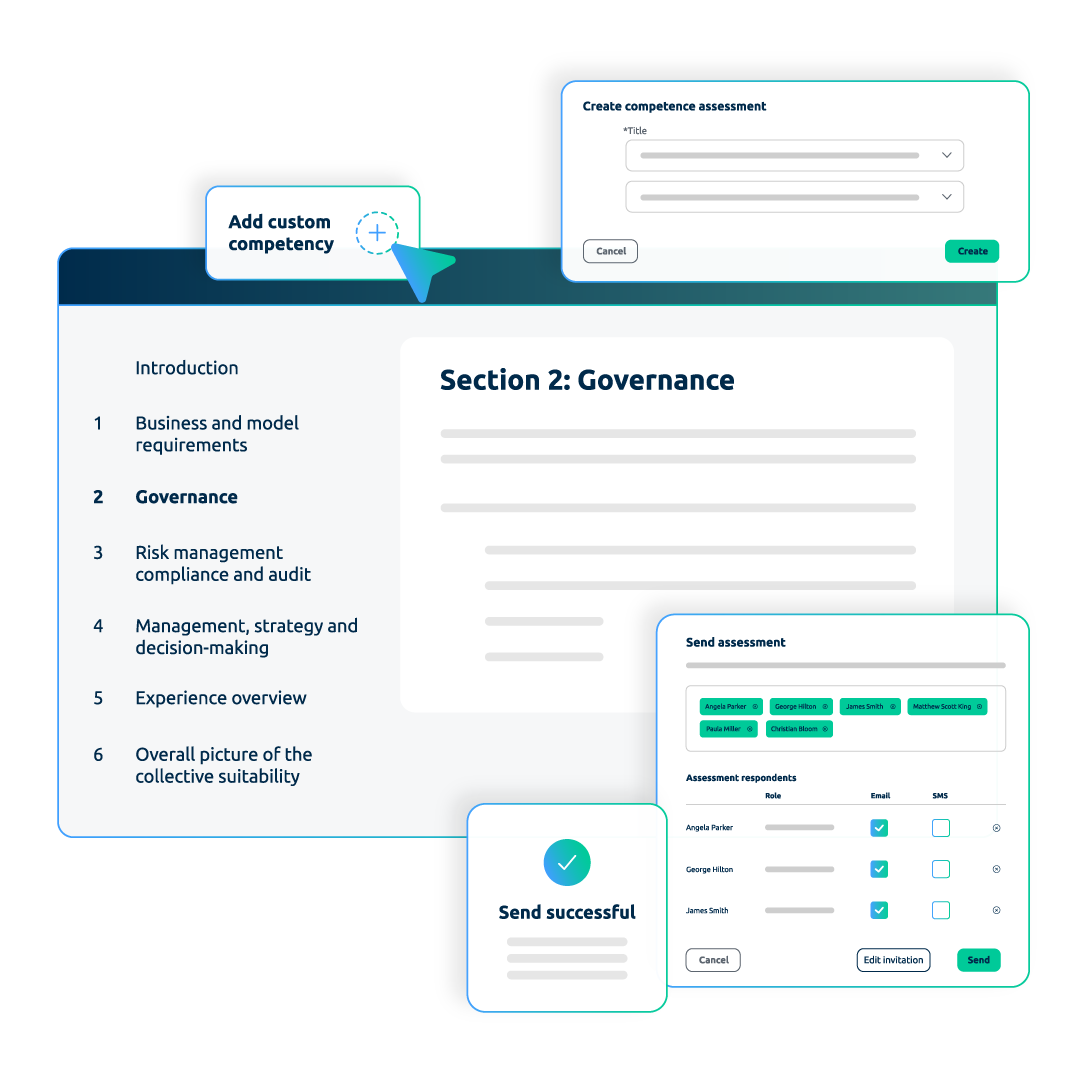
| Reduce admin time with AdmincontrolAdmincontrol’s board management solution allows you to create agendas, minutes and board packs within the platform, distributing them with ease and collaborating with directors in a secure shared environment. Reduce errors and streamline repetitive tasks with Admincontrol.Learn more |
|---|
How to hold an effective board meeting
All directors have a responsibility to arrive at the boardroom well prepared and ready to contribute, challenging each other in a respectful manner to create the best possible basis for decision-making that will act in the best interest of the company. However, it is the chair’s responsibility to oversee this and step in to maintain the focus and order of the board meeting.
In collaboration with the secretary, the chair should understand how to open a board meeting and manage discussions in a manner that creates the desired outcomes. Here are some best practices for ensuring the meeting remains effective:
- Open the board meeting by welcoming the attendees and reminding them of the housekeeping rules and meeting procedures, such as how to request the floor and the voting mechanisms you will use. This could involve raising a hand, using board meeting software to vote digitally or using a simple voting gesture, for example.
- Confirm that there is a quorum gathered and, therefore, the decisions of the meeting will be binding.
- Read apologies from those who cannot attend and record them in the minutes.
- Open the meeting on time out of respect for the directors’ busy schedules.
- Keep discussions focused on the priorities as laid out in the agenda, bringing the discussion back to the important matters at hand if the debate starts to drift.
- Ensure that each item runs to time, leading the room towards being ready to make a decision at the end of the allotted slot.
- Balance participation by watching out for members who are taking over the conversation and bringing in those quieter voices to ensure the audience hears all points of view before voting.
- Address any conflicts that go beyond respectful debate early, before they cause a major issue. Use de-escalation techniques to avoid unnecessary and destructive conflict around the table.
- Close every decision with clear next steps. Create action items, assign them to a board member and decide on a deadline to instil accountability into the process.
Post-meeting follow-up
Knowing how to hold a board meeting is an important part of the governance process, but the follow-up to the meeting is similarly important. There is no point having a productive meeting at which you make decisions, but then failing to follow through on them.
After the meeting takes place, these board meeting best practices will help make the most of the events in the boardroom and translate them into tangible outcomes that benefit the company:
- Write the meeting minutes up quickly. Ideally, soon after the meeting. This keeps the meeting fresh in your mind so you can create an accurate record of what was discussed and decided, but it also helps with the recall of the board members who will have to read and approve those minutes.
- Stick to the facts in the meeting minutes. This should be a neutral recollection of the key elements of the discussion, as well as the decisions made and the next steps. Do not write a verbatim account of the debate, but illustrate the process that led to the decision so that anyone reading in the future can understand why the board took the actions it did.
- Send minutes to stakeholders. Circulate the board meeting minutes so they can assess them before the next meeting, either approving them as an accurate representation of the meeting or suggesting amendments. Edit if necessary and resend to board directors for approval ahead of the next meeting.
- Track members’ progress. Understand how directors are progressing towards completing action items arising from the meeting. This instils accountability into the process, as the named owners of actions are aware they will be monitored. Update everyone on the progress of action items in the following meeting, ensuring all owners understand the deadlines to which they must adhere.
| Approve minutes within the Admincontrol appUsing the Admincontrol app for iOS and Android, your board members can access every board pack in their secure personal workspace. This includes viewing meeting minutes and approving them in the app with a legally binding electronic signature so you save time in the next meeting. Learn more |
|---|
Sample board meeting protocol
To ensure you hone your meeting workflow, you can create a board meeting protocol that sets out:
- The procedures your members must adhere to before, during and after the meeting
- Your board meeting etiquette relating to the conduct of members in the meeting towards each other and the chair
- The structure of your board meetings.
This will be unique to different organisations and represents how your company puts in place policies to bring the best out of its board of directors. The protocol can be informed by the company byelaws, local governance rules, Robert’s Rules of Order, laws relating to board meetings in your jurisdiction, industry best practice and even the preferences of your chair.
Here is a sample of how your board meeting protocol might look:
- Directors should read the board meeting materials before the meeting.
- The meeting should follow the agenda and time allocations, with any changes only allowable when agreed with the chair.
- Confirm the quorum at the beginning of the meeting and note apologies.
- Declare any conflicts of interest at the outset and as they arise.
- Maintain the confidentiality of discussions and board papers at all times.
- One person speaks at a time, with comments directed through the chair.
- Maintain the focus of the debate on strategy and risk, avoiding operational detail where possible.
- The chair ensures all voices are heard, maintaining a balance of participation.
- Respectful dissent is welcome and recorded to ensure the meeting hears all views.
- Clearly state decisions before moving on, using formal wording for resolutions where needed.
- Record actions with a named owner and deadline.
- The minute taker may ask for clarification during the meeting to ensure an accurate record.
- Use devices only to access meeting information and materials, unless the chair agrees otherwise.
- For hybrid meetings, participants join on time, test audio and video and mute when not speaking.
- State voting and decision methods at the start of the meeting, with any abstentions recorded.
- External guests attend only for their item and leave when it is complete.
- Review and approve previous meeting minutes, with the secretary maintaining the formal record.
- Where appropriate, the board may hold a brief executive session without management.
- Agree the next meeting date before adjourning and close the meeting on time.
Tools for board meetings
To be able to run a board meeting effectively, you need to make use of various tools that streamline your processes and help you support better decision making. Some of the tools you might use in a board meeting include:
- A board portal like Admincontrol that allows you to create and distribute agendas, board packs and minutes. It allows directors to collaborate within a secure space and creates a central space for approvals and document storage
- Video conferencing tool for hybrid or virtual meetings
- Electronic signature tool for online approvals
- Voting or polling tools to make decisions and create a digital audit trail
- Transcription tool to help write up accurate meeting minutes
- Messaging platform for conversations between directors during the meeting.
With Admincontrol, you gain access to templates for agendas and meeting minutes to speed up your processes. Your board members can message each other securely and annotate documents to make it easier to find pertinent information during meetings. The app also allows them to register votes and track their obligations on a personalised dashboard with details of upcoming meetings, signature requests, messages and relevant documents and reports.
- “Making governance effective, secure and efficient does not happen by itself. Admincontrol is a portal that lets you focus on your organisational potential while still getting the management side right. Want to save time, enhance secu-rity, and have great governance? I'd recommend Admincontrol.” Mark Bishop: CEO, Dynamic Earth
- “The customer service we received from Admincontrol was superb from the start, with clear product demonstrations and an overarching ability to meet any request. Set-up was simple, with named contacts at hand who responded to any query quickly.” Marie Reynolds: General Counsel, Commify
- “The Admincontrol platform has streamlined and structured our board work for the benefit of management, the board, and owners. The use of Admincontrol has also ensured that the sharing of documents and decision materials happens efficiently and securely.” Patrick Jakobsen: CFO, NoriDane
How board meeting software helps
Board meeting software like Admincontrol digitises and streamlines your meeting processes before, during and afterwards. Here are the benefits of using a board portal for your meetings:
| Speed up preparationCreate agendas and minutes, and distribute board meeting materials within the app, into your directors’ workspace. | Enable informed decisionsShare meeting packs well in advance so board members can review, research and arrive fully prepared. | Strengthen governance oversightCentralise all of your agendas, papers, decisions and audit trails in a single system. This gives directors real-time visibility over the board’s work. |
|---|---|---|
| Reduce administrative burdenSimplify agenda creation, minute taking and approvals with digital workflows and electronic signatures that automatically create an audit trail. | Improve board engagementLet directors collaborate on and annotate documents, sharing ideas to improve understanding and preparation. | Ensure accountability and securityTrack action items with named owners and deadlines while protecting sensitive information through strict access controls and recognised security standards. |
Frequently Asked Questions
Decisions can be challenged or invalid, exposing the company to legal and regulatory risk. You may need to reconvene and ratify decisions correctly, fixing the record.
Time spent on strategy, decision conversion rate, on-time action completion, pack timeliness and quality, attendance and quorum reliability, and board member engagement are all important to understand how effective board meetings are.
Do a quick retrospective after every meeting and run a formal internal board evaluation review at least once a year. Carry out an externally facilitated evaluation every two to three years.
The frequency should match the company’s requirements, considering the levels of risk at play and the specific function of your board. Many boards meet monthly or every two months, with at least quarterly meetings tied to reporting cycles.
Two to four hours is typical for routine meetings, with a longer strategy session once or twice a year.
The chair leads agenda setting with input from the CEO and the company secretary. Committee chairs also propose items that need board approval.
Set clear expectations, assign questions in advance and use round-robin contributions. The chair should actively invite quieter voices and follow up on performance.
When there is weak forward planning, it can lead to an agenda filled with too many items needing a decision. To counter this, move routine items to a consent agenda and delegate some work to committees, where appropriate.
These board meeting best practices will help you understand how to open a board meeting and run through the agenda thoughtfully and productively. Having a strong board meeting protocol aligns all your directors on meeting etiquette and the decision-making process that will lead to actions which tangibly benefit the company and its stakeholders.
Request a demo