









.png)







.svg)
.svg)
.svg)







.png)
.png)







.jpg)

%20F%20(1).jpeg)







.webp)






 Login
Login
Market Abuse Regulation
What Is an Ad-Hoc Notification Under MAR?
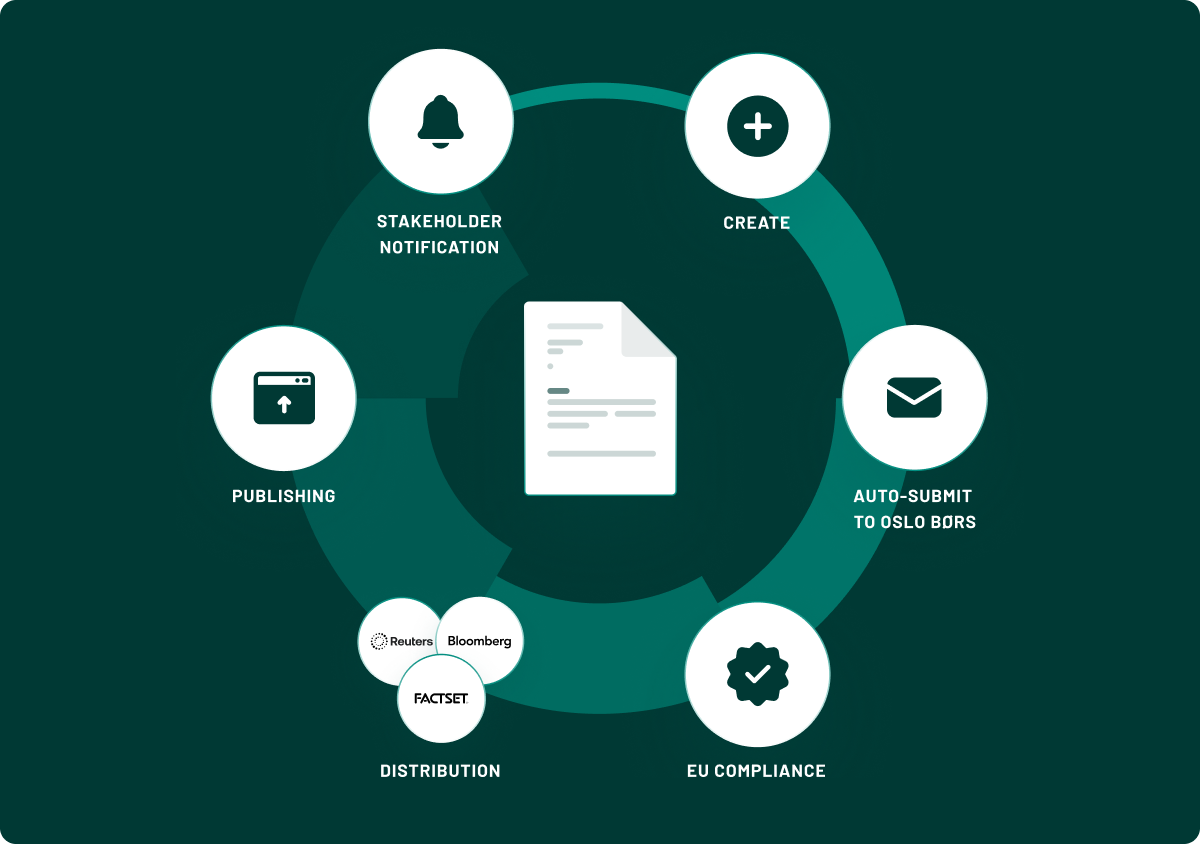
An ad-hoc notification under MAR is the way you disclose inside information to the market under Article 17 of the Market Abuse Regulation. It helps ensure all investors receive price-sensitive information at the same time, reducing the risk of insider dealing and maintaining the fairness of the capital markets.
If your company becomes aware of inside information, you must assess whether you need to publish an ad-hoc notification and, if so, do so as soon as possible.
What is an ad-hoc notification?
An ad-hoc notification is a public announcement that communicates inside information, which is specific, non-public information that could have a significant effect on the price of your company’s financial instruments if it became public.
Unlike scheduled announcements, such as annual or interim financial results, ad-hoc notifications are event-driven. You publish them when a significant development occurs, rather than on a fixed reporting timetable.
You must publish an ad-hoc notification as soon as possible once a piece of information meets the definition of inside information under MAR. This means you need processes in place to identify inside information quickly and assess whether disclosure is required.
What types of information might require an ad-hoc notification?
Every situation should be assessed on its own facts. However, examples of events that may require an ad-hoc notification include:
- Mergers, acquisitions or disposals
- Significant changes to financial performance or profit expectations
- Major contracts or strategic partnerships
- Decisions to issue new shares or other capital instruments
- Significant legal or regulatory decisions
- Changes to senior management where they are likely to affect the share price.
Not every corporate event requires disclosure. The key question is whether the information meets the definition of inside information under MAR.
What should an ad-hoc notification contain?
An ad-hoc notification should give investors enough information to understand what has happened and why it matters. It should be:
-
Clear and accurate
-
Complete and balanced
-
Consistent with previous market announcements
-
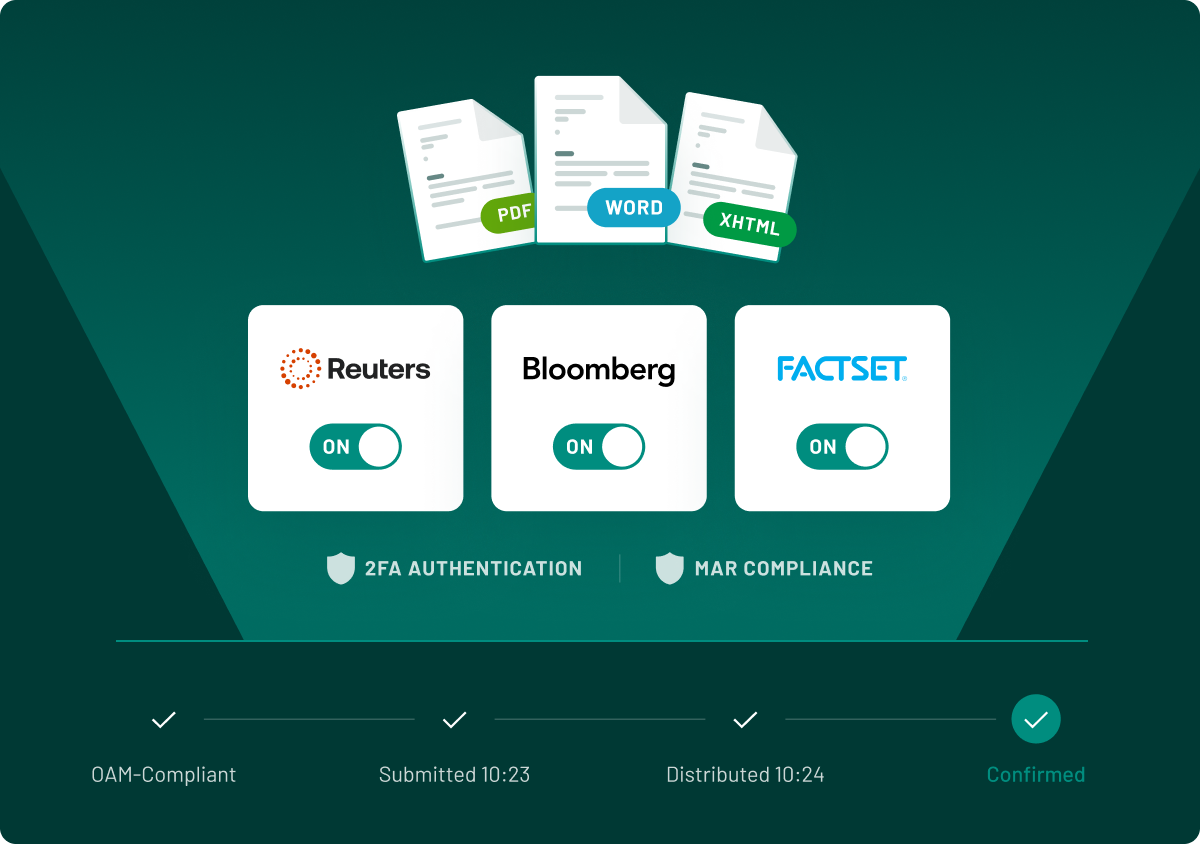
Published through the appropriate regulatory disclosure channel.
Providing incomplete or misleading information can create uncertainty in the market and increase regulatory risk for your company.
Can you delay an ad-hoc notification?
MAR allows you to delay the disclosure of inside information in limited circumstances. To do so, you must be satisfied that:
-
Immediate disclosure would be likely to prejudice your legitimate interests
-
The delayed information must not contradict your latest public announcement or other communication on the same matter
-
You can maintain the confidentiality of the information.
If you decide to delay disclosure, you should document your reasoning and retain evidence to support your decision, if requested by your national competent authority.
How can you manage ad-hoc notifications effectively?
Managing ad-hoc notifications requires a structured process for identifying inside information, making disclosure decisions and recording how those decisions were reached. You should:
- Establish a process for escalating potential inside information
- Involve legal, compliance, investor relations and senior management where appropriate
- Document the reasons for publishing or delaying disclosure
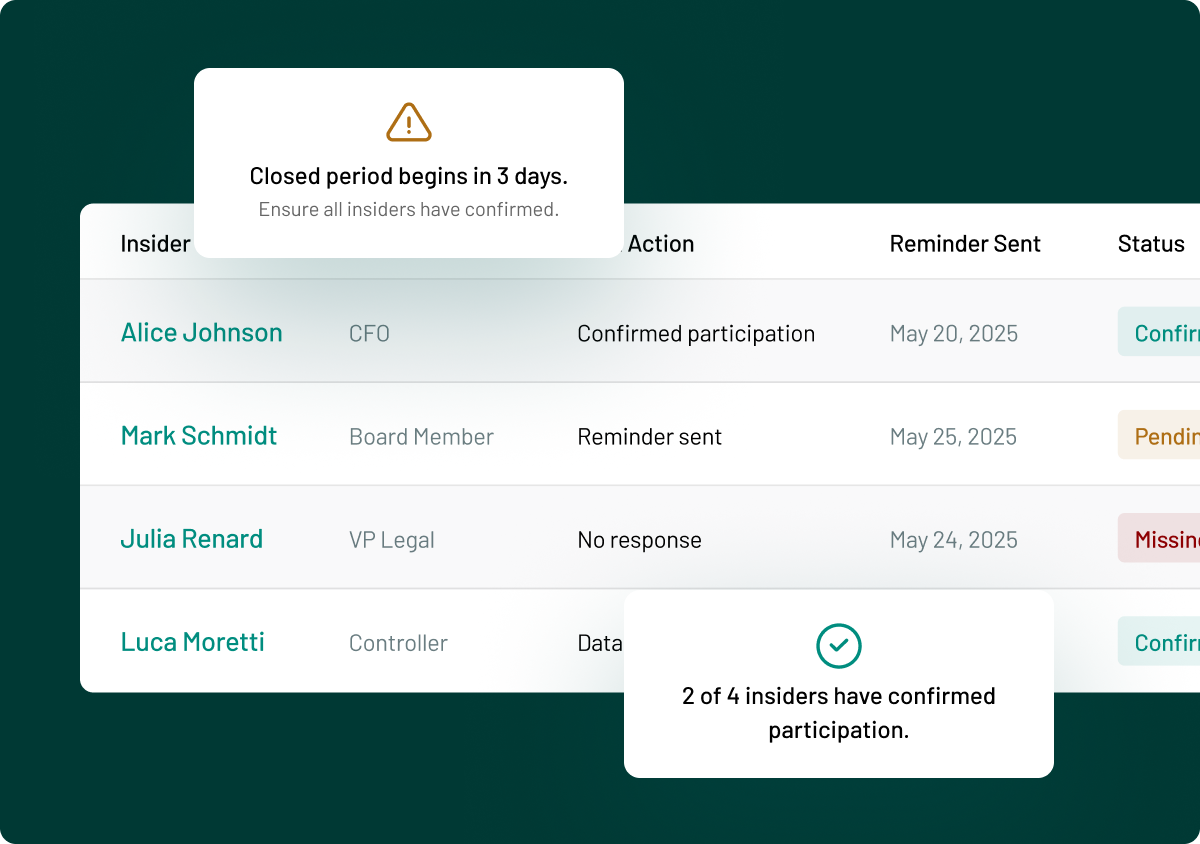
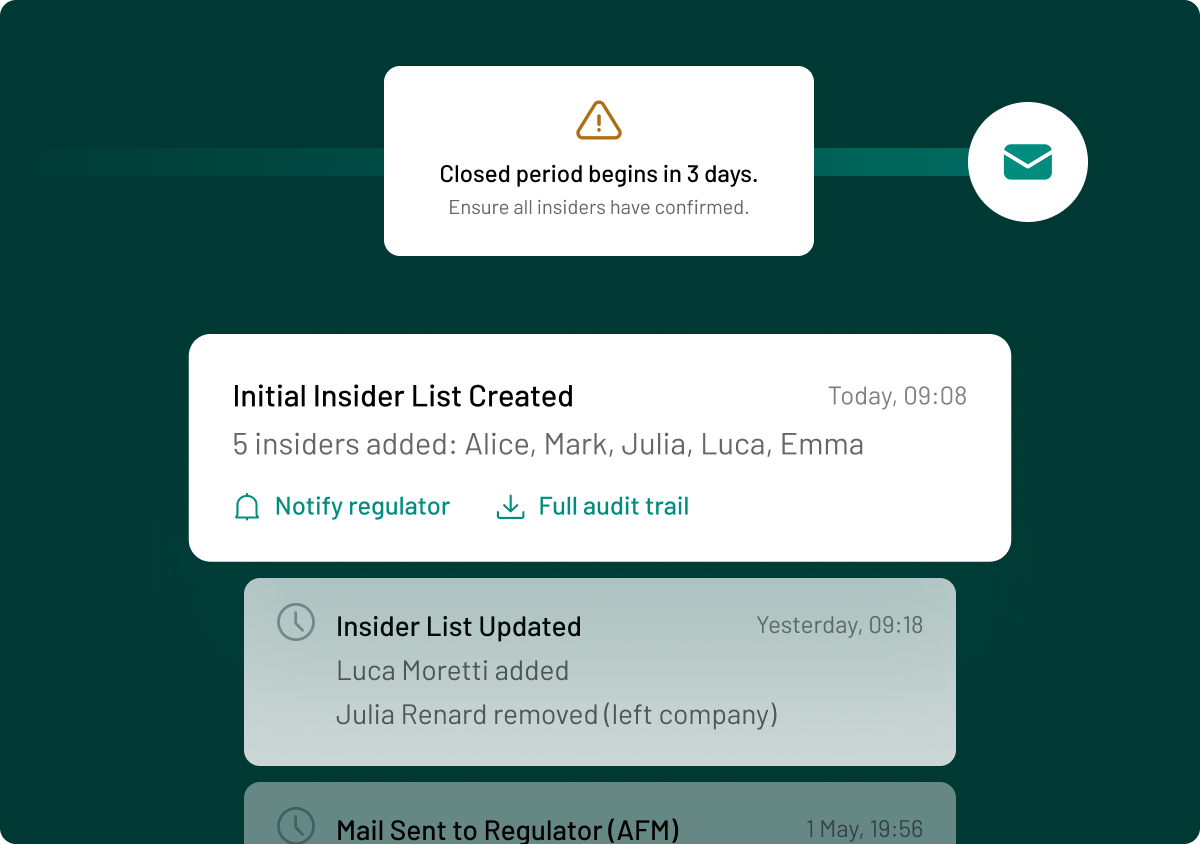
- Maintain insider lists throughout the process
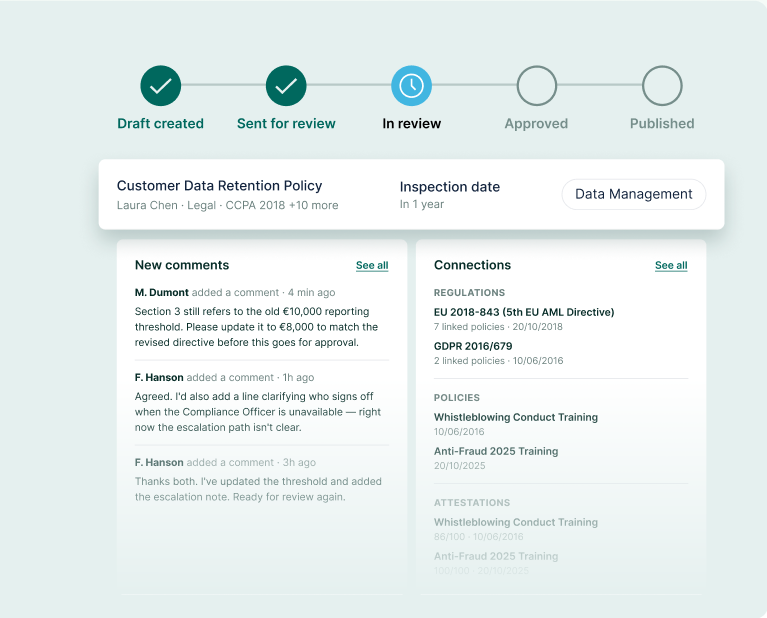
- Keep an audit trail of decisions, approvals and communications.
Related terms
View all termsDefinition of Insider Trading
Insider trading is when a person in possession of confidential information uses ...
Market Abuse Regulation (MAR) Outlined
The Market Abuse Regulation (MAR) came into effect in 2016 to ensure a uniform ...
Definition of Market Manipulation
Market manipulation, a form of market abuse, is the illegal act of artificially ...