






.png)




.svg)
.svg)
.svg)






.png)
.png)






.jpg)
%20F%20(1).jpeg)







.webp)






 Login
Login
A webinar’s value does not terminate when the live broadcast concludes. The recording, the transcript, the slides and the engagement data are all durable assets that can be reused, redistributed and analysed long after the event itself, and the organisations that extract the greatest return are those that treat the post-event phase with the same seriousness as the broadcast. Repurposing sustains ongoing traffic; rigorous measurement converts a single event into a demonstrably sharper successor.
The figures make the argument plainly. A webinar continues to accumulate a substantial proportion of its total views in the days and weeks following the live broadcast, with a large share arriving within the first ten days on demand. Making the recording available afterwards is therefore among the most effective mechanisms for increasing total viewership at no additional production cost.
Capitalise on on-demand availability
The most obvious form of reuse is publishing the recording on demand on your own website, where those who missed the live broadcast can view it at their convenience and where the content continues operating as a search and engagement asset. Distribute the link to attendees and registrants, and embed the recording within relevant pages so that visitors remain on your domain rather than departing to view it elsewhere. A professional recording can be rendered searchable by agenda item, speaker or individual slide, which makes it considerably more useful to a viewer seeking a particular point.
Convert a single event into a content programme
An individual webinar can seed an entire content programme. The recording yields short teaser clips and a highlights reel for social media and paid promotion; the audio can be repurposed as a podcast episode or newsletter segment; the slides can be offered as a download; and the transcript can be transformed into blog articles and a frequently-asked-questions piece, each attracting the audience through a distinct search route. Key statistics and takeaways translate into compelling infographics and carousels, while the core messages can populate an email nurture sequence directed at registrants and newly generated leads. Artificial-intelligence transcription and editing tools can substantially accelerate this work, and a productive discipline is to plan for every event to be repurposed several times across formats rather than published once and subsequently forgotten.
There is a compounding dynamic here worth articulating. The clips and articles derived from one webinar promote the next, and each can link back to the full recording to drive incremental views. Repurposing is therefore not merely diligent housekeeping but a self-reinforcing source of reach.
Measure against the event’s purpose
Measurement should follow the purpose of the event rather than a generic template. Where the objective was lead generation, the pertinent question is what proportion of viewers became qualified leads; notably, a high share of B2B webinar participants convert into qualified leads, considerably exceeding the typical consumer equivalent. Where the objective was engagement, the relevant indicators are whether the audience submitted questions and responded to polls. Where the objective was retention, the question is whether attendees remained until the conclusion. Establishing clear key performance indicators before the event, such as orders following a sales webinar or coverage following a press conference, makes it possible to judge success honestly rather than impressionistically.
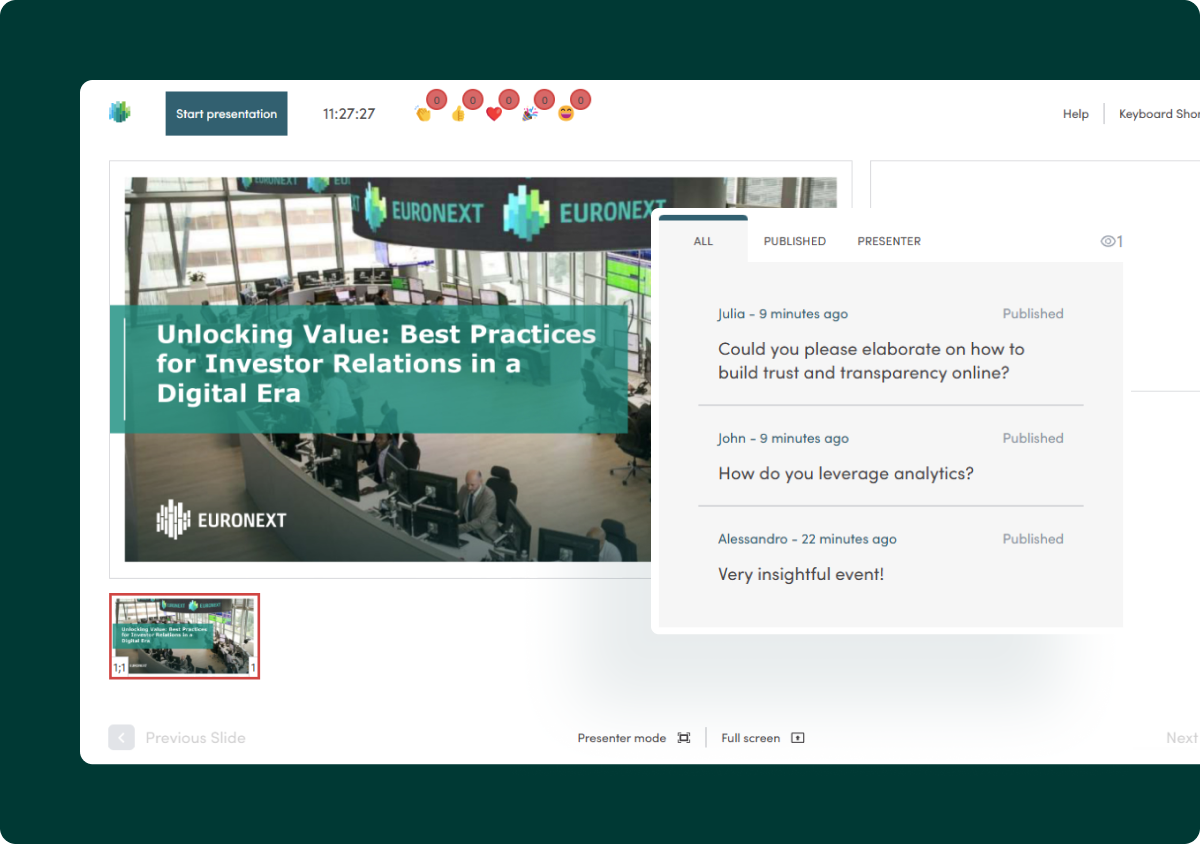
A modern webcasting platform supplies the raw material for this analysis, identifying who attended, where they are employed, how long they viewed, where they disengaged and how actively they participated. Combining that data with a concise attendee feedback survey, which can additionally surface future topics and speakers worth pursuing, yields a clear and actionable picture of what worked.
Close the loop with structured follow-up
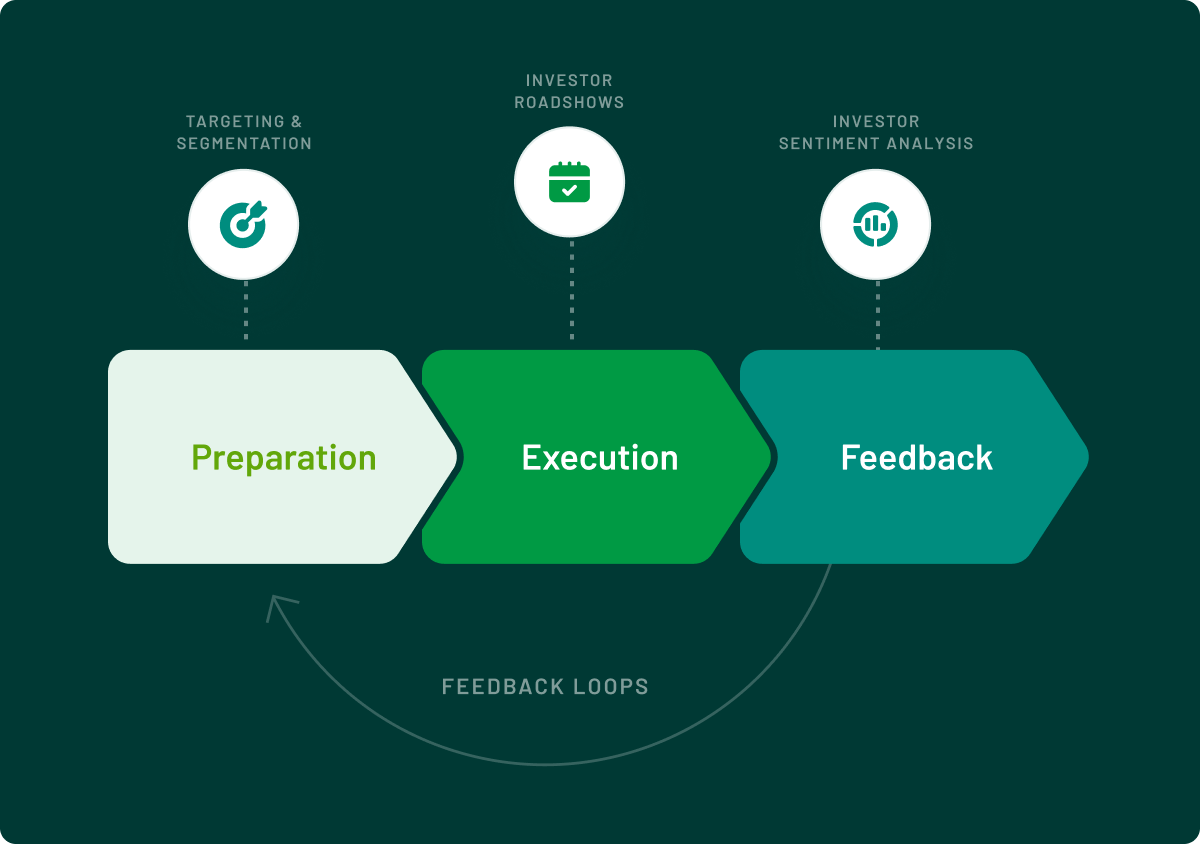
Effective follow-up is simultaneously a courtesy and a conversion mechanism. Thank attendees, distribute the key takeaways alongside any promised resources, and articulate a clear next step, whether an invitation to a subsequent event, a discounted product or another action that advances the relationship. Email the non-attendees as well, incorporating a link to the on-demand recording. Platforms such as EngageStream can automate this follow-up, distributing links, materials and survey requests, and the feedback gathered feeds directly into the planning of the next event, including which interactive features to deploy and how. Finally, conduct a brief team review of what succeeded and what could improve, so that the lessons are captured while they remain fresh.
Key takeaways
-
A webinar earns much of its viewership on demand after the live event.
-
Turn one event into clips, audio, blogs, infographics and nurture emails.
-
Measure against the event’s purpose, not a generic template.
-
Close the loop with follow-up that feeds the next event.
FAQs
How do you repurpose webinar content?
Publish the recording on demand, cut clips and a highlights reel, repurpose the audio, turn the transcript into articles and FAQs, and build infographics and nurture emails from key points.
How do you measure webinar success?
Measure against the event’s goal: qualified leads for lead generation, questions and polls for engagement, completion rates for retention, plus KPIs such as orders or press coverage.
How long do webinars get views after the event?
A large share of total views arrive within the first ten days on demand, which is why making the recording available afterwards is so valuable.
References and further reading
- B2B webinar strategy
- How to promote a webinar
Interactive webinars- EngageStream webinar platform
- Top 10 AI tools for webinars
- The benefits of webcasting your capital markets day